
Best PPF for Black Cars – Complete Guide 2026
Black cars are known for their deep shine and premium appearance, but their paint can also make scratches, swirl marks, dust, water spots and other surface imperfections much more noticeable. This is why choosing the right Paint Protection Film can be especially important for black vehicles.
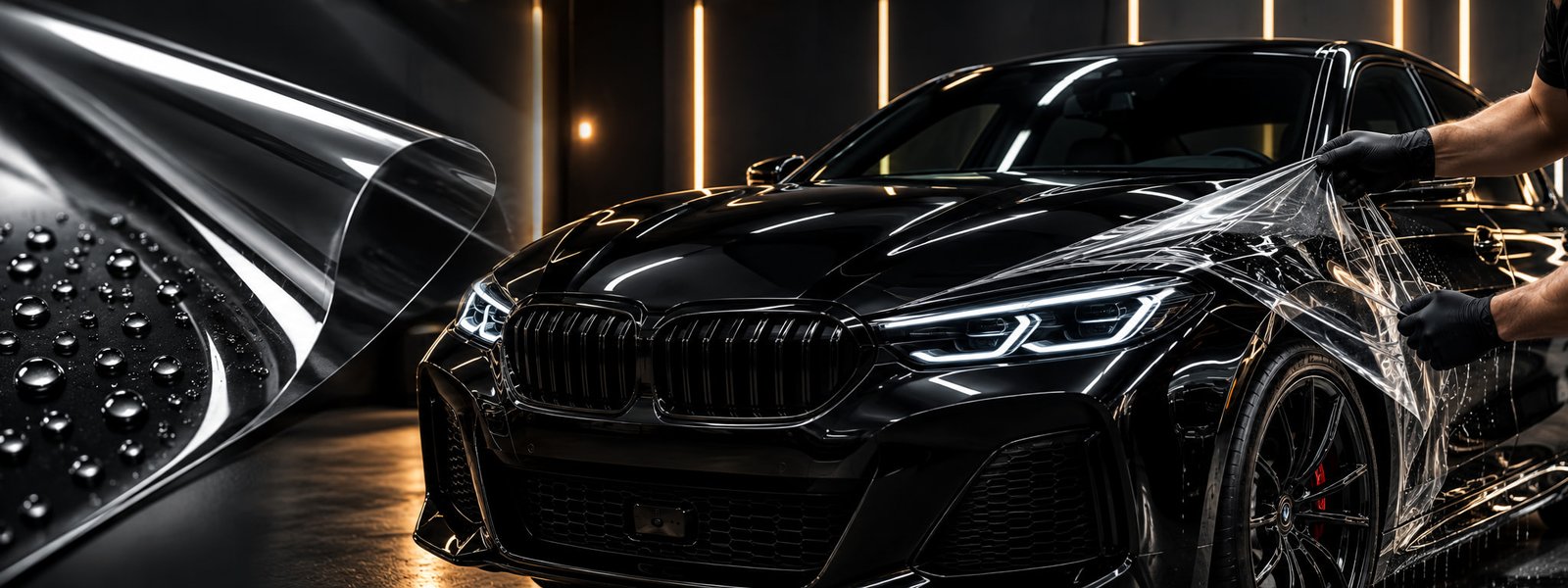
Why Black Cars Need Paint Protection
Black paint can look extremely glossy when it is clean and properly maintained. However, light scratches and washing marks can become easier to see because of the strong contrast between the dark paint and surface imperfections.
Everyday driving can expose black paint to road debris, stone chips, dust, insects, bird droppings, environmental contamination and washing-related swirl marks. A quality Paint Protection Film creates a transparent protective layer between many of these everyday hazards and the original paint surface.
Why PPF is useful for black cars:
It can help protect vulnerable painted surfaces from stone chips, light scratches, swirl marks and everyday road exposure while maintaining the vehicle's original appearance.
Does PPF Look Good on Black Cars?
Yes. A high-quality clear PPF can maintain the deep appearance of black paint while adding an additional protective layer over the surface. On a properly prepared vehicle, the film can remain visually clear and preserve the glossy appearance of the paint underneath.
The final appearance depends on the film's optical clarity, surface finish, installation quality and condition of the original paint. Proper preparation is therefore an important part of achieving a clean result.
What Makes PPF Different for Black Paint?
The main consideration is not that black cars require a completely different type of protection, but that imperfections can be more visible on a dark, highly reflective surface.
This makes factors such as film clarity, self-healing performance, finish, installation quality and maintenance particularly important when selecting PPF for a black vehicle.
Key Point:
For black cars, the goal is not only protection from physical damage but also maintaining a clean, deep and glossy appearance for as long as possible.
Why Black Cars Show Scratches More Easily
Black paint has a deep and reflective appearance that can make the vehicle look extremely premium when it is clean. At the same time, this dark surface can make certain paint imperfections easier to notice.
Fine scratches, swirl marks and other surface defects can reflect light differently from the surrounding paint, making them more visible on a black vehicle.
Swirl Marks on Black Paint
Swirl marks are fine circular or web-like scratches that can develop from incorrect washing, drying or cleaning techniques. They may be difficult to notice on lighter colors but can become much more obvious under direct light on black paint.
Common causes of swirl marks include:
- Using dirty washing mitts or towels
- Dry wiping dusty paint
- Incorrect washing techniques
- Using abrasive cleaning materials
- Automatic car washes with harsh brushes
Stone Chips and Road Debris
The front bumper, hood, fenders and mirrors can be exposed to stones and road debris during everyday driving. These impacts can leave small chips or marks in the paint.
On a black car, even relatively small paint damage can become noticeable because the exposed area contrasts with the surrounding dark finish.
Water Spots Can Be More Noticeable
Mineral deposits left behind after water dries can create visible spots on dark paint. These marks may become particularly noticeable when the vehicle is parked under strong lighting or direct sunlight.
Regular washing and proper drying can help reduce the appearance of these deposits and keep the vehicle looking cleaner.
Dust and Contamination
Dust, fingerprints, road film and environmental contamination can also stand out against a black finish. This is one reason black vehicles often require careful washing and maintenance to maintain their glossy appearance.
How PPF Helps Black Paint
Paint Protection Film adds a transparent protective layer over the vehicle's paint. Depending on the product, it can help protect the surface from everyday road exposure, stone chips and light scratches.
Some modern PPF products also feature self-healing surface technology that can help reduce the appearance of certain light surface marks when exposed to suitable heat.
Important:
PPF is not a guarantee against every type of paint damage. Severe impacts, deep scratches and other major damage can still affect the film or the paint underneath.
Protecting the Glossy Appearance
For black cars, protection is not only about preventing physical damage. Maintaining the clean and glossy appearance of the paint is also an important part of long-term vehicle care.
Combining quality PPF with proper washing and maintenance can help keep a black vehicle looking cleaner and better protected during everyday driving.
What Is the Best PPF Finish for Black Cars?
When choosing the best PPF for a black car, the finish of the film is an important consideration. Black paint can have a deep, reflective appearance, so the selected PPF finish can change the overall look of the vehicle.
The two most common choices are gloss PPF and matte PPF. Both can provide paint protection, but they create very different visual results.
Gloss PPF for Black Cars
Gloss PPF is designed to maintain the shiny appearance of the original paint. On a black vehicle, a high-clarity gloss film can preserve the deep reflective appearance while adding a protective layer over the surface.
This option is particularly suitable for owners who want their black car to continue looking like a freshly detailed, highly polished vehicle.
Gloss PPF can be a good choice if you want:
- Deep and glossy black appearance
- Clear film with minimal visual change
- A factory-style finish
- A highly reflective appearance
- Protection without changing the original paint color
Matte PPF for Black Cars
Matte PPF creates a different appearance by reducing the glossy reflection of the original paint. Instead of a traditional shiny finish, it gives the vehicle a smoother satin or matte appearance depending on the specific film.
Matte PPF can also be used when the owner wants to change the visual character of a black vehicle while protecting the original paint underneath.
Matte PPF can be suitable if you want:
- A modern matte appearance
- Less surface reflection
- A different visual style without repainting
- Paint protection with a changed finish
- A distinctive appearance for a black vehicle
Gloss vs Matte PPF on Black Cars
The choice mainly comes down to the appearance you want from your vehicle. Gloss PPF keeps the traditional shiny black look, while matte PPF changes the surface appearance to create a more understated finish.
Neither finish should be selected only because it is called "better." The right option depends on whether you want to preserve the original glossy appearance or create a different look.
What About Satin PPF?
Satin PPF sits visually between traditional gloss and matte finishes. It can provide a softer appearance while retaining some reflection.
For black vehicles, satin can create a subtle premium appearance without the full reflection of gloss paint or the flat appearance of some matte films.
Does the Finish Affect Protection?
The visual finish itself does not determine all of the protective performance of PPF. Film construction, material quality, thickness, adhesive technology, surface coating and installation quality can all influence performance.
Therefore, when comparing PPF products for a black car, look beyond the finish and consider the complete specification of the film.
Which Finish Should You Choose?
If you love the original deep black shine of your vehicle, gloss PPF is the natural choice for maintaining that appearance. If you want to transform the appearance while protecting the paint, matte or satin PPF may be more suitable.
Key Takeaway:
For a traditional glossy black appearance, choose a high-clarity gloss PPF. For a different and more distinctive look, consider matte or satin PPF. In every case, product quality and professional installation remain important.
Self-Healing PPF for Black Cars
Self-healing PPF is one of the most useful features to consider when choosing Paint Protection Film for a black car. Because fine scratches and swirl marks can be particularly visible on dark paint, a film with self-healing surface technology can help maintain a cleaner-looking finish.
Self-healing technology is designed to allow certain light surface marks in the film's top layer to reduce or disappear when suitable heat is applied.
How Does Self-Healing PPF Work?
Self-healing PPF uses a specially engineered top surface that can respond to heat. When the film experiences suitable heat, some light scratches or surface marks can gradually become less visible.
The exact self-healing performance depends on the specific PPF product and its construction. Not every film has the same level of self-healing capability.
For black cars, this feature can be particularly useful because:
- Fine surface marks can be easier to notice on black paint.
- The film takes the surface-level wear instead of the original paint.
- Suitable heat can help reduce the appearance of certain light marks.
- The glossy finish can remain cleaner-looking with proper care.
Can Self-Healing PPF Remove Deep Scratches?
No. Self-healing technology is primarily intended for certain light surface scratches and marks in the film's upper layer. Deep scratches, cuts, tears and severe impact damage cannot simply be expected to disappear through self-healing.
If the film has been seriously damaged, the affected section may need professional inspection and potentially replacement.
Self-Healing PPF vs Normal PPF
Traditional PPF can still provide a protective barrier over the paint, but a self-healing product adds another surface feature designed to reduce the appearance of certain light marks.
For a black vehicle that is frequently driven and washed, this additional feature can be valuable because keeping the surface looking clean is often a major priority.
Heat and Self-Healing Performance
Self-healing behavior can be influenced by temperature and the specific construction of the film. Some light marks may become less visible naturally when the film reaches a suitable temperature, while other situations may require an appropriate external heat source.
Always follow the manufacturer's recommendations rather than applying excessive heat directly to the film.
Does Self-Healing Make PPF Damage-Proof?
No. Self-healing PPF is not damage-proof. Its purpose is to help reduce certain light surface marks, while the film itself continues to act as a protective layer against everyday road exposure.
Important:
Stone impacts, deep scratches, sharp objects and major physical damage can still damage the film. Self-healing should be considered an additional feature, not a guarantee against all forms of damage.
Why It Matters More on Black Paint
The reflective nature of black paint can make minor surface imperfections stand out under sunlight and workshop lighting. A high-quality self-healing PPF can help keep the protective surface looking smoother between maintenance sessions.
This makes self-healing technology an important feature to consider when comparing PPF options for a black car.
Key Takeaway
If maintaining a clean and glossy appearance is important to you, self-healing PPF can be a useful feature for a black vehicle. However, product quality, film construction and professional installation are still important factors when choosing the right PPF.
Does PPF Prevent Scratches on Black Cars?
Scratches are one of the biggest concerns for black car owners because even small surface marks can become highly visible on a dark glossy finish. Paint Protection Film can help reduce the risk of many everyday scratches by placing a protective film layer over the original paint.
Instead of allowing every minor contact to reach the paint directly, the film provides a sacrificial surface that can absorb certain types of everyday wear.
How PPF Protects Against Light Scratches
PPF is designed to create a physical barrier between the painted surface and external contact. Light contact from road debris, minor rubbing and everyday environmental exposure can affect the film rather than directly affecting the factory paint.
The level of protection depends on the film's construction, thickness, installation quality and the type of impact involved.
PPF can help protect black paint from:
- Light surface scratches
- Minor road debris contact
- Small stone impacts
- Light rubbing against surfaces
- Everyday road exposure
What About Swirl Marks?
Washing and drying are common sources of fine swirl marks. Because these marks occur on the surface, having a protective PPF layer can help keep the original black paint underneath separated from some of this everyday surface wear.
If the PPF itself develops light surface marks, a self-healing film may be able to reduce the appearance of certain marks when exposed to suitable heat.
Can PPF Prevent Deep Scratches?
PPF should not be considered completely scratch-proof. A sharp object, deep impact or severe contact can cut or damage the film and may potentially affect the paint underneath.
The purpose of PPF is to provide an additional protective barrier, not to make the vehicle completely immune to physical damage.
PPF vs Unprotected Black Paint
On an unprotected black vehicle, a scratch directly affects the paint surface. With PPF installed, many types of minor contact occur against the film first.
Simple Example:
If a light surface contact marks the PPF rather than the factory paint, the damaged film section can potentially be repaired or replaced without repainting the entire panel.
Why Front Panels Are Especially Important
The front bumper, hood and front fenders are exposed to a significant amount of road debris during driving. These areas can therefore be important protection zones for black vehicles.
Owners who do not want full-car coverage may consider protecting the areas that receive the greatest amount of road exposure.
Does PPF Hide Existing Scratches?
PPF is primarily designed to protect the paint rather than repair existing deep damage. Existing scratches, chips or paint defects can remain visible after the film is installed if the surface is not properly prepared beforehand.
For this reason, professional installers normally inspect the paint before applying the film and may recommend paint correction or other preparation when appropriate.
Protecting Black Paint for the Long Term
PPF can help reduce everyday paint damage, but proper washing and maintenance are still important. The film itself needs to be cared for correctly so that it continues to provide protection and maintains its appearance.
Key Takeaway:
PPF can significantly reduce exposure of black paint to many everyday scratches and road hazards, but it is not completely scratch-proof. Film quality, installation and proper maintenance all contribute to the overall protection.
Does PPF Protect Black Cars From Stone Chips?
Stone chips are one of the most common forms of road damage that can affect a vehicle's paint. The front of a black car is particularly exposed because the bumper, hood, fenders and mirrors regularly encounter small stones and road debris while driving.
Paint Protection Film provides a physical layer over these vulnerable painted surfaces, helping absorb and distribute the force from many everyday road impacts before they reach the original paint.
Why Stone Chips Are a Problem for Black Paint
When a stone hits unprotected paint, it can remove a small amount of the paint or clear coat. On a black vehicle, these chips can become highly noticeable because the damaged area contrasts with the surrounding finish.
Repeated exposure to highway driving, construction areas, gravel roads and busy roads can increase the opportunity for small impacts to occur.
Common high-impact areas include:
- Front bumper
- Front hood
- Front fenders
- Side mirrors
- Lower rocker panels
- Areas close to the front wheels
How PPF Helps Against Stone Chips
PPF acts as a sacrificial protective layer between the road environment and the vehicle's paint. When a small stone impacts the protected surface, the film can absorb some of the impact and help reduce the chance of direct paint damage.
The level of protection depends on the film's construction, thickness, quality and the severity of the impact.
Can PPF Stop Every Stone Chip?
No. PPF is not completely impact-proof. A large, sharp or high-energy object can damage the film and may still cause damage underneath it.
However, the purpose of the film is to reduce exposure to everyday road hazards and protect the paint from many of the smaller impacts that occur during normal driving.
Which Areas Should Be Protected First?
If you do not want full-car PPF, protecting the vehicle's highest-impact areas can be a practical approach. The exact coverage can be selected according to your driving conditions and budget.
Popular protection areas for black cars:
Front bumper, full or partial hood, front fenders, side mirrors and other areas that regularly receive road debris.
Highway Driving and Black Cars
Vehicles driven frequently on highways can experience more exposure to road debris and small stones. For black cars that regularly travel at higher speeds, protecting the front-facing painted surfaces can therefore be an important consideration.
Drivers who frequently travel long distances may choose broader PPF coverage to protect more of the vehicle from everyday road exposure.
What Happens If the PPF Gets Damaged?
One advantage of using PPF as a sacrificial layer is that damage can sometimes be limited to the film rather than the original paint. If a section becomes heavily damaged, an installer can inspect the affected area and determine whether the film needs to be repaired or replaced.
This can be particularly useful on black vehicles where repainting a damaged panel may change the appearance or require additional refinishing work.
PPF for Black Cars: Long-Term Protection
Stone-chip protection is one of the main reasons many vehicle owners choose PPF. When combined with proper maintenance, a quality film can help keep vulnerable black-painted areas looking cleaner and better protected during everyday driving.
Key Takeaway:
PPF can help protect black car paint from many everyday stone chips and road impacts, but it cannot guarantee protection against every severe impact. For maximum protection, high-impact areas can be covered with properly installed, quality PPF.
How Long Does PPF Last on a Black Car?
The lifespan of Paint Protection Film on a black car depends on the quality of the film, installation, driving conditions, exposure to sunlight and how well the vehicle is maintained.
A quality PPF system can provide long-term protection, but the film should still be inspected and maintained regularly to keep both its appearance and protective performance in good condition.
What Determines PPF Lifespan?
There is no single lifespan that applies to every PPF product. Different films use different materials, coatings and adhesive systems, and manufacturers can provide different warranty periods.
Important factors include:
- PPF material and overall quality
- Surface coating and film construction
- Professional installation quality
- Sun and UV exposure
- Driving environment
- Washing and maintenance routine
- Use of suitable cleaning products
Sun Exposure and Black Cars
Black vehicles can become hot under direct sunlight, particularly during warmer weather. Regular exposure to strong sunlight can contribute to surface aging of automotive films over time.
Parking in shaded or covered areas when practical and following the manufacturer's maintenance recommendations can help preserve the film's appearance.
How Maintenance Affects PPF Life
Proper maintenance is important for keeping PPF looking clean and clear. Regular washing helps remove dirt, road film and environmental contamination before they remain on the surface for extended periods.
Avoid abrasive cleaning methods and unsuitable chemicals that may affect the film's surface or finish.
Signs That Black-Car PPF May Need Replacement
Over time, PPF can show signs of aging or damage. A heavily worn section should be inspected by a professional to determine whether it can continue to provide the desired protection or should be replaced.
- Significant discoloration or loss of clarity
- Cracking or severe surface damage
- Persistent lifting around edges
- Heavy staining that cannot be cleaned properly
- Severe impact damage
- Visible deterioration of the film surface
Does Older PPF Damage Black Paint?
Properly installed PPF is designed to protect the paint, but an aging or damaged film should not simply be left indefinitely without inspection. If the film has deteriorated significantly, professional removal and replacement may be appropriate.
The condition of the adhesive, film and underlying paint should be considered before removal, especially on older vehicles or previously repainted panels.
Best Practice:
Do not wait until the film is severely deteriorated before having it inspected. Regularly checking the PPF can help identify areas that may need attention or replacement.
Can You Extend the Life of PPF?
Yes, proper care can help maintain the appearance and condition of the film. Gentle washing, appropriate products, regular inspection and avoiding unnecessary abrasive contact are all useful parts of a PPF maintenance routine.
Keeping the vehicle protected from excessive environmental exposure when possible can also help maintain the film's appearance over time.
PPF Lifespan on Black Cars: Key Takeaway
Black-car PPF can provide long-term paint protection, but its actual lifespan depends on the specific product and how it is installed and maintained. Quality film, professional installation and proper aftercare all play an important role.
Bottom Line:
Choose a quality PPF product, have it professionally installed and maintain it according to the manufacturer's recommendations. Regular inspection can help ensure the film continues to protect your black car effectively.
PPF vs Ceramic Coating for Black Cars
Black cars can benefit from both Paint Protection Film and ceramic coating, but the two products serve different primary purposes. Understanding this difference is important when deciding how to protect a black vehicle.
PPF provides a physical film layer over the paint, while ceramic coating creates a thin protective coating designed primarily to enhance surface properties such as gloss, water behavior and ease of cleaning.
PPF Protection for Black Paint
Paint Protection Film is designed to provide a physical barrier between the original paint and many everyday road hazards. It can help protect against stone chips, light scratches and other forms of surface contact.
PPF is especially useful when your priority is:
- Stone-chip protection
- Protection from light scratches
- Protection for high-impact panels
- Preserving original factory paint
- Adding a sacrificial protective layer
Ceramic Coating for Black Cars
Ceramic coating is commonly used to improve the surface characteristics of automotive paint. It can provide hydrophobic behavior, enhance gloss and make routine cleaning easier when properly maintained.
However, ceramic coating is not a substitute for a physical film when the primary concern is protection from stone impacts and physical abrasion.
Ceramic coating can be useful when your priority is:
- Gloss enhancement
- Water and dirt repellency
- Easier routine cleaning
- Surface appearance and maintenance
- Additional surface protection
Which Protects Black Paint From Stone Chips?
PPF is specifically designed as a physical protective layer and is therefore more suitable when stone chips and road debris are major concerns.
Ceramic coating can provide surface protection, but it does not provide the same physical barrier against stone impacts as a film layer.
Which Helps Maintain Gloss?
Both high-quality gloss PPF and ceramic coating can contribute to a glossy appearance. The final result depends on the product, the condition of the underlying paint and the quality of the installation or application.
For black cars, surface preparation is particularly important because imperfections can be more visible on a dark reflective finish.
Can You Use Ceramic Coating Over PPF?
In some cases, a coating specifically formulated or approved for use over PPF can be applied to the film. This can combine the physical protection of PPF with additional surface properties such as water repellency and easier maintenance.
The coating should be compatible with the particular PPF product, so the film manufacturer's recommendations should always be followed.
PPF or Ceramic Coating: What Does a Black Car Need?
The answer depends on the type of protection you are looking for. If your main concern is physical protection from road debris and scratches, PPF addresses that requirement directly. If your priority is gloss, hydrophobic behavior and easier cleaning, ceramic coating may be considered.
For maximum surface protection:
Some vehicle owners choose PPF on vulnerable or high-impact areas and then use a compatible coating or maintenance system to help improve the surface's water and cleaning characteristics.
Black Cars and Long-Term Paint Protection
Because black paint can make surface imperfections more visible, a protection strategy should consider both physical damage and ongoing maintenance. PPF and ceramic coating can address different parts of that equation.
The right combination depends on the vehicle, driving conditions, desired appearance, budget and level of protection required.
Key Takeaway
PPF and ceramic coating should not be viewed as identical products. PPF provides a physical film barrier for stronger protection against many road hazards, while ceramic coating focuses more on surface characteristics such as gloss, water repellency and easier maintenance.
Bottom Line:
For a black car where stone chips and physical paint damage are major concerns, PPF provides a direct protective film layer. Ceramic coating can complement a protection system when gloss, hydrophobic performance and easier maintenance are also priorities.
Full Car vs Partial PPF for Black Cars
Black car owners can choose between protecting the entire vehicle or concentrating Paint Protection Film on the areas that receive the most road exposure. Both approaches can help protect the original paint, but they provide different levels of coverage.
The right coverage depends on how the vehicle is driven, where it is normally parked, the condition of the paint and the level of protection you want.
What Is Partial PPF?
Partial PPF protects selected areas of the vehicle rather than covering the entire painted surface. Common areas include the front bumper, hood, front fenders and side mirrors.
Common partial PPF coverage:
- Front bumper
- Hood
- Front fenders
- Side mirrors
- Door edges
- Rocker panels
Why Partial PPF Can Work Well for Black Cars
The front-facing areas of a vehicle are generally exposed to more road debris than many other panels. Protecting these areas can therefore provide targeted protection while keeping the overall installation smaller than a full-car system.
Partial coverage can also be considered when the owner wants to protect the highest-risk areas while working within a specific budget.
What Is Full-Car PPF?
Full-car PPF covers the majority of the vehicle's painted exterior, including the front, sides and rear panels according to the selected coverage package.
For a black car, full coverage can provide a consistent protective layer across the vehicle and reduce the difference between protected and unprotected painted areas.
Full-car PPF can be useful for owners who want:
- Broad paint protection across the vehicle
- Consistent protection on black-painted panels
- Protection beyond the front impact areas
- Reduced exposure to everyday scratches and road debris
- Long-term protection of the original finish
Full PPF vs Partial PPF: Coverage
The biggest difference is simply the amount of paint covered. Partial PPF focuses on selected high-impact areas, while full-car PPF extends protection across most of the vehicle.
On a black vehicle, full coverage can also provide a more consistent appearance because the same protective film finish can be used across the covered panels.
Full PPF vs Partial PPF: Cost
Full-car PPF normally requires more film, more preparation and more installation time than partial coverage. As a result, the total installation cost is generally higher.
Partial PPF can reduce the initial investment while still protecting important high-impact areas.
Which Areas Matter Most on a Black Car?
If you are not ready for full-car coverage, the front bumper, hood, front fenders and mirrors are commonly considered important areas because they receive significant road exposure.
For highway and long-distance drivers:
Consider broader front-end coverage because frequent highway driving can increase exposure to road debris and stone impacts.
Should You Choose Full or Partial PPF?
Full-car PPF provides broader coverage, while partial PPF provides targeted protection. There is no single coverage option that is suitable for every black car.
Consider your daily driving, highway use, parking environment, vehicle value, desired appearance and budget before selecting the coverage.
For a New Black Car
Owners of a new black vehicle may consider broader coverage if preserving the factory paint across the entire exterior is a priority. Protecting the paint before significant road damage occurs can also simplify long-term maintenance.
For an Older Black Car
For an older vehicle, the existing paint condition should be inspected before deciding on coverage. Scratches, chips, oxidation or previous repainting can affect the preparation and installation process.
Important:
PPF does not repair major existing paint defects. The surface should be properly inspected and prepared before installation.
Key Takeaway
Partial PPF can provide targeted protection for the most exposed areas, while full-car PPF provides broader protection across the vehicle. For black cars, the decision should be based on driving conditions, paint condition, desired coverage and budget.
How to Maintain PPF on a Black Car
Proper maintenance is important for keeping PPF on a black car clean, clear and attractive over time. Although the film provides a protective layer over the paint, it still needs to be washed and cared for correctly.
Black vehicles can show dust, water spots and surface contamination more easily, so using the right washing routine can make a noticeable difference in the overall appearance.
Wash the Car Regularly
Regular washing helps remove dust, road film, insects and other contaminants before they remain on the PPF surface for extended periods.
Use a gentle washing method and clean the vehicle from top to bottom to help reduce the chance of dragging dirt across the film.
Use a Clean Microfiber Towel
A clean, soft microfiber towel can help reduce unnecessary friction during drying and maintenance. Dirty or contaminated towels can carry particles across the surface and potentially create fine marks.
Good maintenance practice:
- Use clean microfiber towels.
- Do not dry-wipe dusty PPF.
- Use suitable automotive cleaning products.
- Avoid abrasive materials.
- Do not scrub the film aggressively.
Avoid Automatic Brush Car Washes
Harsh rotating brushes can create unnecessary friction and may be unsuitable for maintaining PPF. For a black car, avoiding aggressive washing methods is particularly useful because surface marks can become easier to notice.
Hand washing or another manufacturer-approved gentle cleaning method is generally a better approach for maintaining the film.
Remove Bird Droppings and Insects Promptly
Bird droppings, insects and other organic contamination should not be allowed to remain on the PPF surface for unnecessarily long periods.
When removing contamination, soften it with an appropriate cleaning solution rather than aggressively rubbing the affected area.
Be Careful With Pressure Washers
Pressure washing can be useful for vehicle cleaning, but excessive pressure or directing the water jet too closely at film edges can create unnecessary risk.
Important:
Keep high-pressure water away from vulnerable film edges and follow the PPF manufacturer's recommended washing procedure.
Do Not Use Abrasive Polishing on PPF
PPF has its own surface construction and should not automatically be treated like bare automotive paint. Abrasive polishing compounds or unsuitable correction methods may affect the film's appearance.
If the film develops a significant surface issue, consult the installer or film manufacturer before attempting correction.
Protect the PPF From Long-Term Contamination
Parking in a covered or shaded area when practical can reduce prolonged exposure to environmental elements. Regular cleaning is still important because dust and contamination can accumulate even when a vehicle is parked indoors.
Check the Edges Regularly
Periodically inspect the edges and corners of the PPF. If you notice lifting, contamination underneath the edge or another unusual issue, avoid pulling the film yourself.
A professional installer can inspect the affected area and determine the appropriate solution.
Can You Wax or Coat PPF?
Some products are specifically designed for use on PPF, while others may not be suitable. Always check the PPF manufacturer's recommendations before applying wax, sealants or coatings.
If you want additional hydrophobic protection, use a product that is explicitly compatible with the specific PPF installed on your vehicle.
Maintenance Helps Preserve the Black-Car Appearance
One of the main reasons people choose PPF for a black car is to maintain the vehicle's appearance while reducing exposure to everyday paint damage. Proper maintenance helps the protective film continue to look clean and clear.
Key Takeaway:
Wash PPF gently, use clean microfiber towels, remove contamination promptly, avoid abrasive cleaning methods and inspect film edges regularly. Proper maintenance can help keep your black car's PPF looking its best.
How to Choose the Best PPF for a Black Car
Choosing the best PPF for black cars is not only about selecting the thickest film. Black paint can make small scratches, swirl marks, stone chips, dust and water spots much more noticeable, so the right Paint Protection Film should provide strong protection while maintaining the original appearance of the vehicle.
Before installing PPF on a black car, consider the film's finish, self-healing performance, thickness, optical clarity, adhesive quality, warranty and the experience of the installer. A good combination of these factors can help protect the paint while keeping the vehicle looking clean and glossy.
1. Choose the Right PPF Finish
The finish is one of the first things to consider because it directly affects how your black car will look after installation. Gloss PPF is designed to maintain the traditional shiny appearance of black paint, while matte and satin films can create a completely different visual style.
- Gloss PPF: Ideal if you want to maintain or enhance the glossy appearance of black paint.
- Matte PPF: Suitable for owners who want a flat, modern and distinctive finish.
- Satin PPF: Provides a softer appearance between traditional gloss and full matte.
2. Look for Self-Healing Technology
Self-healing PPF can be especially useful on black vehicles because light surface marks can be easier to notice on dark paint. Depending on the film technology, minor surface scratches and swirl-like marks can reduce or disappear when the film receives appropriate heat.
When comparing films, check whether self-healing technology is included and understand what type of surface damage the manufacturer says it can address. Self-healing does not mean that the film is impossible to damage.
3. Consider PPF Thickness
Film thickness is another important factor when selecting PPF for a black car. A thicker film can provide additional material for protection against everyday road exposure, but thickness alone does not determine the overall quality of a PPF system.
The film should also have good optical clarity, reliable adhesive performance, suitable flexibility and a quality top coating. These characteristics can be important for achieving a clean installation on complex body panels.
4. Check Optical Clarity
Optical clarity is particularly important with black paint because imperfections, edges and installation issues can become more noticeable against a dark surface. A quality clear PPF should maintain the appearance of the original paint without creating unnecessary distortion or a cloudy appearance.
5. Check the Top-Coat Performance
The top coat is the outer surface of the PPF and is exposed to everyday contaminants, washing and weather. A good top coat can help the film maintain its appearance and make routine cleaning easier.
When comparing PPF products, look for documented information about stain resistance, gloss retention, hydrophobic performance and resistance to environmental exposure rather than choosing a film based only on marketing terminology.
6. Consider the Adhesive Quality
Adhesive quality is an important part of the PPF installation system. The adhesive needs to provide reliable bonding while allowing the installer to position the film correctly during installation.
Professional preparation and installation are also important. Even a high-quality PPF can produce poor results if the vehicle surface is not properly cleaned and prepared or if the film is incorrectly installed.
7. Check the Warranty
A manufacturer's warranty can provide useful information when comparing different PPF products. Before purchasing, check the stated warranty period and what conditions, exclusions and types of film failure are covered.
- PPF finish and appearance
- Self-healing technology
- Film thickness
- Optical clarity
- Top-coat performance
- Adhesive quality
- Manufacturer warranty
- Professional installation quality
8. Choose an Experienced PPF Installer
The quality of installation can make a major difference in the final appearance of a black car. Proper preparation, accurate pattern placement, controlled stretching and careful edge finishing can help produce a cleaner result.
For black vehicles, inspect the installer's previous work and pay attention to edges, corners, panel alignment and the overall clarity of completed installations. The film and the installation process should be considered together when selecting a PPF solution.
How Much Does PPF Cost for a Black Car?
The cost of PPF for a black car depends on several factors, including the size of the vehicle, the amount of coverage, the type and quality of PPF, the selected finish and the installation process. A black car may benefit from more extensive coverage because scratches, stone chips and surface imperfections can be more visible on dark paint.
Instead of looking only at the installation price, it is important to compare what is included in the package. A professional PPF installation should consider the film quality, coverage area, surface preparation, installation quality and warranty.
Full Car PPF vs Partial PPF Cost
One of the biggest factors affecting the cost is the amount of paint you want to protect. Full-car PPF covers a much larger portion of the vehicle, while partial coverage focuses on areas that commonly receive road debris and everyday wear.
- Full Car PPF: Provides extensive protection across the vehicle's painted surfaces.
- Front-End PPF: Focuses on high-impact areas such as the front bumper, hood and fenders.
- Partial PPF: Protects selected areas according to the vehicle owner's requirements.
What Can Affect the Price of PPF?
Several factors can change the final PPF installation cost. Larger vehicles generally require more material and installation time, while complex body shapes can require additional attention during installation.
- Vehicle size and model
- Full or partial coverage
- PPF thickness and product specification
- Gloss, matte or satin finish
- Self-healing technology
- Condition of the existing paint
- Surface preparation requirements
- Installation quality and experience
- Warranty offered with the PPF
Does a Black Car Need Full PPF?
Full-car PPF is not required for every black vehicle. The appropriate coverage depends on how the car is driven, where it is parked and how much of the original paint the owner wants to protect.
If the vehicle is regularly driven on highways or roads with heavy traffic, broader coverage can help protect more painted surfaces from everyday road exposure. For vehicles mainly used in the city, an owner may instead choose targeted protection for high-impact areas.
Is Expensive PPF Always Better?
A higher price does not automatically mean that a particular PPF is the right choice for every black car. When comparing products, consider the complete package rather than price alone.
- Film specifications
- Finish and appearance
- Self-healing capability
- Warranty terms
- Coverage included in the package
- Installer experience
- Surface preparation and finishing quality
How to Get the Right PPF Price for Your Black Car
The most practical way to determine the right PPF package is to first decide which areas you want to protect. You can then compare the available film options and installation packages for your specific vehicle.
For black cars, it is also worth considering the visual result alongside protection. The selected PPF should complement the original paint finish while providing the level of protection required for your driving habits.
PPF for Black Cars in Lahore & Pakistan Weather
Black cars in Pakistan are regularly exposed to strong sunlight, heat, dust, road debris and changing weather conditions. These factors can affect the appearance of automotive paint over time. PPF for black cars provides a physical protective layer between the painted surface and many common sources of everyday road damage.
For vehicles driven regularly in Lahore and other busy Pakistani cities, choosing the right PPF and maintaining it properly can help keep the original black paint looking cleaner and better protected.
Protection From Strong Sunlight
Black paint absorbs more solar energy than lighter colors, which can make heat exposure an important consideration for black vehicles. Quality PPF is designed for automotive exterior use and can help protect the paint underneath from everyday environmental exposure.
However, PPF should not be considered a complete solution for every type of paint deterioration. Product specifications, installation quality and proper maintenance all affect long-term performance.
Dust and Road Contamination
Dust is a common part of daily driving in Pakistan. When dust and dirt remain on a black vehicle, they can make the surface look dull and can contribute to fine marks when the vehicle is cleaned incorrectly.
PPF creates a separate film surface that can help reduce direct contact between the painted surface and everyday contaminants. Correct washing techniques are still important to avoid creating scratches in the film itself.
Protection From Road Debris
High-speed driving can expose a vehicle to small stones, gravel and other road debris. The front bumper, hood, fenders and mirror areas are commonly exposed to this type of impact.
PPF can provide a physical barrier over these areas and is commonly used to reduce the risk of paint damage from minor road impacts. It cannot guarantee protection against every impact or severe collision.
Water Spots on Black Paint
Water spots can be particularly noticeable on black paint because mineral deposits and residue contrast strongly against the dark surface. Leaving water to dry naturally on the vehicle can make these marks more visible.
A quality PPF top coat may provide useful surface characteristics such as easier cleaning and hydrophobic behavior, depending on the specific product. Regular washing and drying remain important for maintaining the appearance of both the film and the vehicle.
Why Professional Installation Matters in Lahore
The final appearance of PPF depends heavily on installation quality. Black cars can make visible installation imperfections more noticeable, particularly around edges, corners and complex body panels.
- Proper vehicle washing and decontamination
- Careful paint inspection before installation
- Correct PPF pattern selection
- Accurate film positioning
- Controlled stretching during installation
- Clean edges and corners
- Proper post-installation inspection
How to Maintain PPF in Pakistan's Climate
Regular maintenance can help preserve the appearance and performance of PPF. Wash the vehicle using appropriate automotive cleaning products and avoid aggressive cleaning methods that can unnecessarily stress the film surface.
- Wash the car regularly to remove dust and road contamination.
- Use clean microfiber towels for drying.
- Avoid harsh chemicals that are not recommended for PPF.
- Do not use abrasive materials on the film.
- Remove bird droppings and other contaminants as soon as practical.
- Follow the PPF manufacturer's care recommendations.
Is PPF Useful for Black Cars in Pakistan?
PPF can be a practical protection option for black cars that are regularly exposed to road debris, environmental contamination and everyday driving conditions. The most suitable solution depends on the vehicle, desired coverage, PPF specification and installation requirements.
PPF for New vs Old Black Cars
PPF for black cars can be installed on both new and older vehicles, but the preparation process may be different. A new black car usually has a cleaner paint surface, while an older vehicle may already have scratches, swirl marks, stone chips or previous paintwork.
Before installing PPF, the condition of the existing paint should be checked carefully. The film protects the surface underneath, so any existing imperfections should be considered before installation.
PPF on a Brand-New Black Car
Installing PPF on a new black car can help protect the original factory paint from the beginning of its ownership. This can be particularly useful for owners who want to maintain the original appearance of the vehicle for as long as possible.
- Helps protect fresh factory paint from road debris.
- Can reduce exposure to minor stone chips and everyday surface damage.
- Allows the owner to choose full or partial coverage.
- Can help maintain the original glossy appearance when clear gloss PPF is selected.
PPF on an Older Black Car
An older black car can also benefit from PPF, provided the paint is suitable for installation. However, the vehicle may require additional preparation before the film is applied.
Swirl marks, oxidation, stains, scratches and previous repairs can affect the final appearance of the installation. In some cases, paint correction or other preparation may be recommended before applying PPF.
What Happens to Existing Scratches?
Existing scratches do not automatically disappear when PPF is installed. Because PPF is optically clear, deeper imperfections underneath the film can still be visible.
For this reason, the paint should be inspected before installation. Minor surface imperfections may sometimes be improved through appropriate preparation, while deeper damage may require more extensive paintwork.
What If the Car Has Repainted Panels?
Repainted panels require additional consideration before PPF installation. The quality and condition of the repaint can affect how suitable the surface is for film installation and future removal.
A professional installer should inspect repaired or repainted areas before applying the film and discuss any potential concerns with the vehicle owner.
- Existing scratches and swirl marks
- Stone chips
- Paint oxidation
- Water spots and contamination
- Previous paint correction
- Repainted or repaired panels
- Paint condition around edges and body panels
Should You Correct the Paint Before PPF?
Paint correction may be considered when a black vehicle has visible surface imperfections that the owner wants addressed before PPF installation. The goal is to prepare the paint so the finished film has a clean and visually consistent appearance.
However, paint correction is not automatically required for every vehicle. The appropriate preparation depends on the actual condition of the paint and the desired final result.
New Black Car or Older Black Car — What Should You Consider?
- New car: Focus on protecting the original factory paint from the beginning.
- Older car: Focus on paint condition and necessary preparation before installation.
- Repainted car: Have repaired panels inspected before applying PPF.
- Heavily scratched car: Consider paint correction or repair before film installation.
The most important step is to assess the vehicle before choosing the PPF package. A properly prepared surface and professional installation can make a significant difference in the final appearance of a black vehicle.
Final Buying Guide: Choosing the Best PPF for a Black Car
Choosing the best PPF for black cars should be based on more than just price or film thickness. Black paint can make scratches, swirl marks, stone chips and surface contamination highly noticeable, so the PPF should provide the protection and appearance you expect from the installation.
Before making a decision, compare the film specification, finish, self-healing technology, optical clarity, warranty, coverage and installation quality. The right combination will depend on your vehicle and how you use it.
- Choose a finish that matches your desired appearance.
- Consider self-healing PPF for everyday surface marks.
- Check film thickness and overall construction.
- Look for good optical clarity on dark paint.
- Review the top-coat and surface performance.
- Check the manufacturer's warranty.
- Decide between full-car and partial coverage.
- Choose an experienced professional installer.
Gloss PPF for a Traditional Black-Car Look
If you want to maintain the original appearance of a glossy black vehicle, clear gloss PPF is a common choice. It keeps the paint visible while adding a protective film layer over the exterior.
Gloss PPF can also provide a visually clean finish when it is properly installed and maintained. Optical clarity and installation quality are particularly important on black paint.
Matte or Satin PPF for a Different Appearance
Matte and satin PPF are options for owners who want to change the visual character of their black vehicle while protecting the underlying paint. Matte provides a flatter appearance, while satin offers a softer finish between gloss and matte.
These finishes should be selected according to the desired appearance because they can significantly change how the original black paint looks.
Choose the Right Coverage
Coverage is another important part of the decision. Full-car PPF provides protection across a much larger portion of the vehicle, while partial packages can focus on areas that receive greater road exposure.
- Full Car: Maximum coverage across the vehicle's selected painted surfaces.
- Front End: Focuses on commonly exposed impact areas.
- Partial Coverage: Protects selected panels according to individual requirements.
Installation Quality Matters
Even a high-quality PPF can produce an unsatisfactory result if it is poorly installed. On a black car, visible edges, trapped contamination, lifting corners and incorrect positioning can be easier to notice.
Look for clean panel coverage, properly finished edges, careful preparation and an installer who understands how to work with the specific PPF product.
- PPF brand and product specification
- Film thickness
- Finish options
- Self-healing technology
- Warranty period and terms
- Coverage included in the package
- Paint preparation process
- Installation and edge-finishing method
Best PPF for Black Cars: Final Considerations
There is no single PPF specification that is automatically suitable for every black car. The ideal choice depends on the vehicle's condition, driving environment, desired appearance, protection requirements and budget.
For a glossy black car, many owners may prefer a clear gloss film that preserves the original appearance. Those looking for a visual transformation can consider matte or satin finishes. For maximum paint coverage, full-car PPF provides a broader protective layer than a partial package.
Most importantly, evaluate the PPF product and installation quality together. Proper surface preparation, professional application and regular maintenance all contribute to the final appearance and long-term performance of the film.
Protect Your Black Car With the Right PPF
A black car can look exceptionally clean and glossy, but its dark paint can also make everyday imperfections more visible. Selecting the right PPF can help create a protective barrier while allowing you to maintain the appearance you want.
Take time to compare the film specifications, coverage options, warranty and installation process before choosing your PPF package. A professional consultation can also help determine which solution is appropriate for your specific vehicle.