
How Long Does PPF Take to Install? – Complete Installation Time Guide 2026
Wondering how long PPF takes to install? The installation time depends on the amount of coverage, vehicle size, film type, paint condition and the installation process. A small PPF installation can take only a few hours, while a complete vehicle installation may require one or more days.
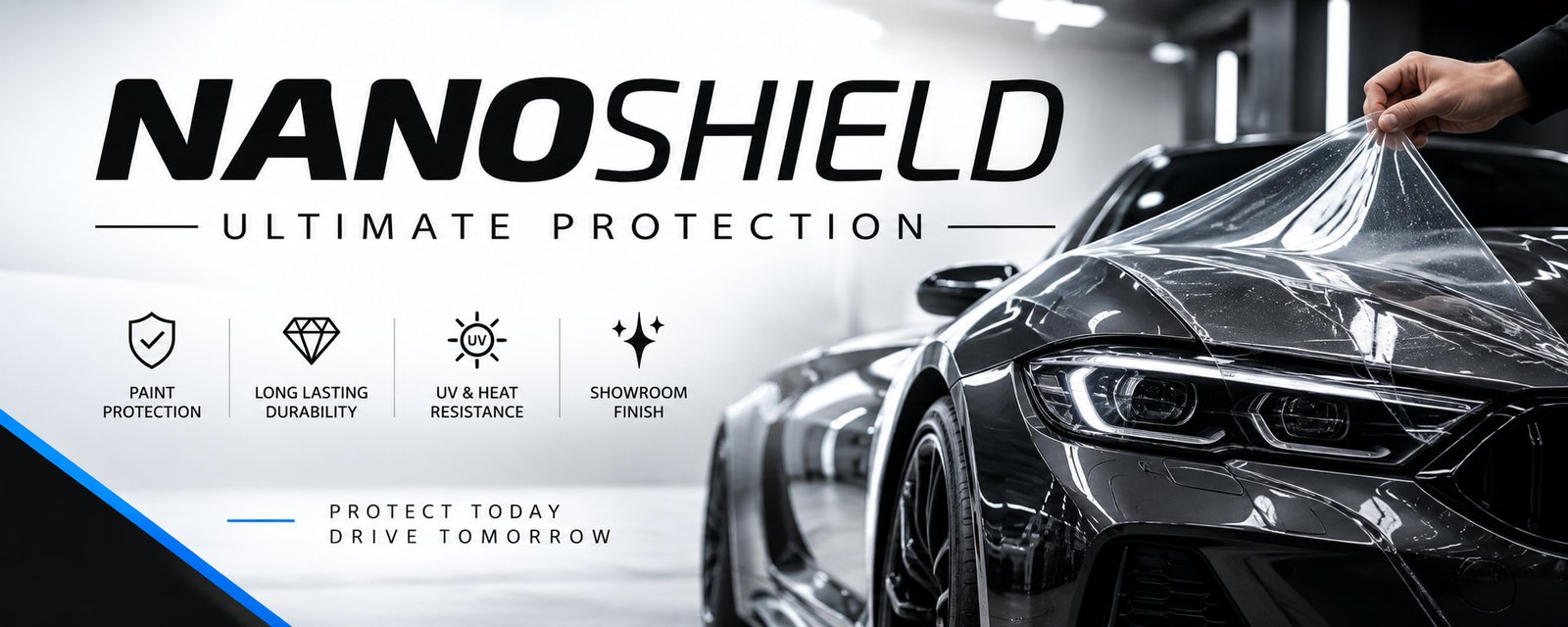
How Long Does PPF Take to Install?
The time required to install Paint Protection Film depends mainly on how much of the vehicle is being covered. Partial PPF installations are usually completed faster than full-car installations because fewer panels need to be prepared and wrapped.
For example, protecting high-impact areas such as the front bumper, hood, fenders and mirrors can take several hours depending on the vehicle and installation method. A full-body PPF installation requires significantly more preparation, pattern fitting, application and final inspection.
Professional installers also need to inspect and prepare the vehicle before applying the film. This preparation is important because dust, dirt, contaminants or existing paint imperfections can affect the final appearance of the installation.
PPF Installation Time at a Glance
As a general guide, a small or selected-panel PPF installation may take several hours, while a partial vehicle installation can often require most of a working day. A full-car PPF installation can take one to several days depending on the vehicle, coverage and level of preparation required.
Quick Answer: PPF installation can take anywhere from a few hours for selected panels to one or more days for complete vehicle coverage. The exact time should be confirmed by the professional installer after inspecting the vehicle and determining the required coverage.
Why Does PPF Installation Take Time?
PPF installation is more than simply placing a sheet of film over the paint. The vehicle must first be cleaned and prepared, the film must be correctly positioned, and the installer needs to work carefully around curves, edges, body lines and other complex areas.
After application, the installer also checks the film for alignment, trapped contamination, edges and overall finish. Taking sufficient time during each stage can help produce a cleaner and more professional result.
PPF Installation Time by Coverage
One of the biggest factors that determines how long PPF takes to install is the amount of coverage required. Protecting a few high-impact areas is naturally faster than covering the entire vehicle.
The vehicle's size, panel shape, film type and installation method can also affect the total working time. The following time ranges should be treated as general estimates rather than fixed installation times.
Small PPF Installation – Selected Panels
A small PPF installation may involve only one or a few areas such as door cups, door edges, side mirrors, headlights or other high-contact areas. Because fewer panels need to be prepared and wrapped, these installations can usually be completed much faster than larger coverage packages.
Typical time: Around 1–3 hours, depending on the number and complexity of the selected areas.
Partial PPF Installation
Partial PPF usually covers the vehicle's most exposed areas. A package may include the front bumper, partial or full hood, front fenders, side mirrors and other high-impact sections.
Since several panels need to be cleaned, prepared, patterned and installed, a partial PPF package normally requires more time than a small selected-panel installation.
Typical time: Around 4–8 hours for many partial PPF installations, depending on the vehicle and coverage.
Full Front PPF Installation
Full-front PPF generally protects the main high-impact areas at the front of the vehicle. Depending on the package, this can include the complete front bumper, full hood, front fenders, mirrors and headlights.
Because more panels are involved, the installer needs additional time for preparation, precise film positioning, edge finishing and final inspection.
Typical time: A full-front installation can often take most of a working day, depending on vehicle size, panel complexity and preparation requirements.
Full Car PPF Installation
A complete vehicle PPF installation is the most time-intensive option because almost all painted exterior panels need to be prepared and covered. The installer must work carefully around bumpers, doors, fenders, hood, roof, trunk and other complex body areas.
A full-car installation may also include additional paint preparation, pattern fitting, edge wrapping and detailed quality inspection. Larger vehicles and vehicles with complex body designs can require additional working time.
Typical time: Around 1–3 days is a reasonable general range for many full-car PPF installations, depending on coverage, vehicle size, preparation and installer workflow.
Why Installation Times Can Vary
Two vehicles can require different amounts of time even when they receive similar PPF coverage. Complex curves, sharp body lines, difficult edges and the condition of the paint can all increase preparation and installation time.
A professional installer should provide a more accurate time estimate after inspecting the vehicle and confirming exactly which panels will receive PPF.
What Factors Affect PPF Installation Time?
The time required to install Paint Protection Film can vary from one vehicle to another. Even when two cars receive similar coverage, the installation time may be different because of the vehicle's size, paint condition, film type and the complexity of the body panels.
Understanding these factors can help you set realistic expectations before booking a PPF installation and explain why professional installers may give different time estimates for different vehicles.
1. Vehicle Size
Vehicle size is one of the most obvious factors affecting installation time. A compact hatchback generally has fewer and smaller exterior surfaces than a large SUV, which means there may be less film to prepare, position and install.
Larger vehicles can require additional film, more working space and more time for alignment and edge finishing.
2. Number of Panels Being Protected
The more panels covered with PPF, the longer the installation normally takes. A few selected areas can be completed relatively quickly, while full-car coverage requires work across most of the vehicle's painted exterior.
Simple rule: More coverage usually means more preparation, more film application and more final inspection time.
3. Vehicle Body Shape and Design
Modern vehicles can have complex curves, sharp body lines, deep recesses and difficult edges. These areas require careful handling during film installation to achieve a smooth and properly aligned finish.
Vehicles with simpler body panels may be faster to install, while highly sculpted bumpers and panels can require additional working time.
4. Paint Condition and Preparation
The condition of the vehicle's paint can also affect the installation schedule. Before applying PPF, the surface needs to be clean and properly prepared.
If the paint has heavy contamination, scratches, oxidation, water spots or other imperfections, additional preparation may be required before the film can be installed.
5. Film Type and Installation Method
Different PPF products can have different handling characteristics. Film thickness, flexibility, adhesive behavior and pattern design can influence how easily a particular panel can be installed.
The installation method can also affect the working time. A professional installer may use pre-cut patterns, custom-cut film or a combination of methods depending on the vehicle and coverage requirements.
6. Edge Wrapping and Finishing
A professional installation does not end when the film reaches the edge of a panel. Where appropriate, installers may carefully wrap or finish edges to create a cleaner appearance and reduce visible film lines.
More detailed edge finishing can take additional time, but careful finishing can make a significant difference to the overall appearance of the installation.
7. Installer Experience
An experienced PPF installer can often work efficiently because they understand how to position, stretch and finish the film correctly. However, speed should never be the only measure of installation quality.
Taking sufficient time to prepare the vehicle, align the film and inspect the finished installation can help produce a cleaner and more reliable result.
8. Additional Paint Correction
Some vehicles may benefit from paint correction before PPF installation, particularly when the owner wants the film to preserve an especially clean appearance underneath the protective layer.
Paint correction is a separate preparation service and can add additional time to the overall process. The amount of correction required depends on the condition of the vehicle's paint.
Bottom Line: Installation time is influenced by coverage, vehicle size, panel complexity, paint preparation, film characteristics and finishing requirements. A professional inspection is the best way to receive an accurate time estimate.
PPF Installation Process and Time Required
Understanding the installation stages makes it easier to see why professional PPF installation can take several hours or even multiple days. The installer has to complete more than just the film application itself.
Each stage contributes to the final result, and rushing any important step can affect the appearance, alignment and durability of the installation.
1. Vehicle Inspection
The process normally begins with an inspection of the vehicle. The installer checks the paint condition, existing scratches, chips, previous repairs and the areas that will receive PPF.
Approximate time: 15–30 minutes, depending on the vehicle and coverage.
2. Washing and Surface Cleaning
Before applying PPF, the vehicle must be thoroughly cleaned. Dirt, dust, grease and road contaminants need to be removed from the panels so the film can be applied to a properly prepared surface.
Approximate time: 30–60 minutes for a basic wash and preparation, depending on the vehicle's condition.
3. Decontamination
Surface contamination such as embedded particles, mineral deposits and other contaminants may require additional treatment. Proper decontamination helps create a cleaner surface for PPF installation.
Approximate time: 30–60 minutes, although heavily contaminated vehicles may require more time.
4. Paint Correction and Preparation
If the vehicle requires paint correction, this stage can add significant time to the overall installation. Light polishing may be relatively quick, while more extensive correction can require several additional hours.
Not every vehicle requires paint correction. The installer should assess the condition of the paint before deciding whether additional correction is appropriate.
Approximate time: From 1–2 hours for minor preparation to several hours for more extensive correction.
5. PPF Pattern Preparation
The installer prepares the required PPF patterns according to the vehicle and selected coverage. Pre-cut patterns can help improve consistency and reduce unnecessary cutting directly on the vehicle.
Custom pattern adjustments may take additional time, especially when working with unusual vehicle designs or customized coverage requirements.
6. Film Application
This is one of the most important stages of the process. The film is positioned over the prepared panel and carefully applied using the appropriate installation solution and tools.
The installer works around curves, body lines, edges and other difficult areas while controlling the film to achieve proper alignment and minimize visible installation imperfections.
Time required: This can range from several minutes for a small panel to significantly longer for large or complex body panels.
7. Edge Finishing
After the film is positioned, the installer carefully checks and finishes the edges where appropriate. Proper edge finishing can help create a cleaner appearance and reduce the visibility of film lines.
Complex panels may require additional time because of their curves, recesses and body contours.
8. Final Inspection
Once the film has been installed, the vehicle should be inspected carefully. The installer checks alignment, edges, surface appearance and any areas that may need additional attention.
Approximate time: 30–60 minutes for a detailed final inspection, depending on the amount of coverage.
Why Professional Installers Should Not Rush
A faster installation is not automatically a better installation. Professional PPF work requires careful preparation, accurate film positioning and detailed finishing. Giving each stage enough time can help achieve a cleaner and more consistent result.
If an installer promises an unusually fast full-car installation, it is reasonable to ask what preparation, coverage and finishing are included in the quoted time.
Full Car PPF Installation Time
A full-car PPF installation takes considerably more time than a small or partial installation because almost the entire exterior of the vehicle must be prepared and covered. Each panel needs careful attention to cleaning, film positioning, application and finishing.
The exact time depends on the vehicle size, number of panels, body shape, paint condition, film type and the level of edge finishing required. Because of these variables, a professional installer should inspect the vehicle before giving a final completion time.
How Long Does Full Car PPF Take?
For many vehicles, a full-car PPF installation can take approximately 1–3 days. Smaller and simpler vehicles may require less working time, while larger vehicles or vehicles requiring extensive preparation may take longer.
General guide: Full-car PPF commonly requires around 1–3 days, depending on the vehicle, coverage, preparation and installation quality.
Why Full Car PPF Takes Longer
A complete installation involves many more panels than a partial PPF package. The installer may need to work on the front bumper, rear bumper, hood, roof, doors, fenders, side mirrors, trunk and other painted areas.
Every panel has its own shape and challenges. Curved bumpers, door handles, body lines and tight edges can require additional time to achieve a clean and properly fitted result.
Day 1: Preparation and Major Panels
The first stage of a multi-day installation may focus heavily on vehicle preparation and the installation of larger or more accessible panels. Washing, decontamination and paint preparation are completed before the film is applied.
Depending on the vehicle and workflow, the installer may begin with areas such as the hood, fenders, front bumper, roof or other major panels.
Day 2: Remaining Panels and Detailed Finishing
The following working period can be used for remaining body panels, doors, bumpers, mirrors and other areas that require additional attention. The installer also continues checking edges and panel alignment.
Complex areas may take longer because the film needs to follow the vehicle's contours without unnecessary stretching or visible distortion.
Day 3: Final Inspection and Completion
Some full-car installations may require additional time for final finishing and inspection. The installer checks the complete vehicle for alignment, edges, surface appearance and areas that may need correction.
The third day is not required for every vehicle. It may be more relevant when the car is large, the coverage is extensive, preparation is more involved or the installation requires detailed finishing.
Partial PPF vs Full Car PPF Time
Partial PPF is usually much faster because fewer panels are involved. A selected front-end package may often be completed within a working day, while full-car coverage can require one or more days.
Partial PPF: Often several hours to one working day.
Full Car PPF: Commonly around 1–3 days.
Should You Leave Your Car at the Shop?
For a full-car installation, it is often more practical to leave the vehicle with the installer rather than expecting the work to be completed within a few hours. This gives the installer enough time to complete preparation, application and final inspection properly.
Before leaving your vehicle, confirm the estimated completion time, coverage included in the package and when the car will be ready for collection.
Does a Longer Installation Mean Better PPF?
Not necessarily. Installation time should be appropriate for the vehicle and the amount of work required. A professional installer should focus on proper preparation and quality finishing rather than simply taking as long as possible.
The goal is a clean, accurately fitted installation that provides the intended protection while maintaining the appearance of the vehicle.
Important: Installation times are estimates. Your exact PPF installation schedule can only be confirmed after the installer checks the vehicle and determines the coverage and preparation required.
PPF Curing Time After Installation
The installation itself may be complete when the film has been applied, but the PPF may still need time to settle and cure properly. During this period, small changes in the film's appearance can occur as moisture from the installation process gradually disappears.
The exact curing time depends on the film, installation method, temperature, humidity and the manufacturer's recommendations. Your installer should provide specific aftercare instructions when the vehicle is handed back to you.
How Long Does PPF Take to Cure?
Many PPF installations need approximately 24–48 hours before normal washing or heavy cleaning is recommended. However, the exact waiting period can vary between products and installation conditions.
General guide: Allow at least 24–48 hours for the film to settle before washing the vehicle, unless your installer or film manufacturer gives different instructions.
Can You Drive the Car After PPF Installation?
In many cases, the vehicle can be driven after the installation has been completed, but it is important to follow the installer's instructions. The film may continue settling after the car leaves the workshop.
During the initial period, avoiding unnecessary contact with the film and keeping the vehicle away from harsh cleaning conditions can help protect the fresh installation.
When Can You Wash the Car After PPF?
It is generally recommended to wait until the initial curing period has passed before washing the vehicle. Washing too soon can interfere with the freshly installed film, particularly around edges and areas where the adhesive is still settling.
Once the recommended waiting period has passed, use gentle automotive-safe washing methods and avoid aggressive pressure directly against film edges.
What Happens During the Curing Period?
During curing, moisture and installation solution trapped between the film and paint can gradually dissipate. Depending on the installation, you may notice small water pockets or a slightly hazy appearance that improves as the film settles.
Not every visible mark during the early curing period indicates an installation problem. If you notice large bubbles, lifting edges or unusual defects that remain after the recommended curing period, contact the installer for an inspection.
Does Temperature Affect PPF Curing?
Temperature and humidity can influence how quickly the film settles after installation. Warmer conditions may help the installation solution evaporate more quickly, while cooler or highly humid conditions can extend the settling period.
This is one reason professional installation environments can provide more predictable results than installing PPF outdoors or in uncontrolled conditions.
What Should You Avoid After PPF Installation?
During the initial curing period, avoid pressure washing, aggressive scrubbing, automatic car washes and unnecessary contact with the film. Do not try to push, lift or reposition the edges yourself.
Aftercare Tip: Give the freshly installed PPF enough time to settle and always follow the specific aftercare instructions provided by your professional installer.
When Is the PPF Fully Ready?
Once the recommended curing period has passed and the film has settled, the vehicle can generally return to its normal washing and driving routine. Your installer can confirm when the specific PPF installation is ready for regular care.
Proper initial aftercare is an important part of achieving a clean and long-lasting PPF installation.
What Can Delay PPF Installation?
Although the average PPF installation time can often be estimated in advance, some vehicles may require additional preparation or finishing work. This can increase the total time needed to complete the installation properly.
A professional installer should focus on the condition of the vehicle and the quality of the final result rather than rushing the job simply to finish faster.
1. Paint Correction or Surface Preparation
One of the most common reasons for additional installation time is the condition of the vehicle's paint. If the paint contains oxidation, heavy contamination, scratches, swirl marks or other imperfections, extra preparation may be required before the film is installed.
Paint correction can add several hours to the overall process, especially when a large portion of the vehicle needs attention.
2. Heavy Dirt and Contamination
A vehicle that arrives heavily dirty or contaminated may require more extensive washing and decontamination. Road tar, iron particles, tree sap and other contaminants need to be removed before the film is applied.
Why does this matter?
Even small particles trapped underneath PPF can affect the appearance of the finished installation. Proper cleaning therefore takes priority over speed.
3. Complex Body Panels
Some vehicles have complicated body shapes, deep curves, sharp edges, large contours or difficult panel designs. These areas can require additional time for positioning, stretching and finishing the film.
Vehicles with more complex bodywork may therefore take longer than a similar-sized vehicle with simple, flat panels.
4. Custom Pattern Cutting and Edge Wrapping
The installation method can also affect the total time. Computer-cut patterns can help improve consistency, while custom trimming and additional edge wrapping may require more attention from the installer.
Proper edge finishing is especially important because the goal is not simply to place the film on the paint, but to achieve a clean and durable installation.
5. Additional Rework
Occasionally, a section of film may need to be repositioned or replaced during installation. This can happen because of contamination, difficult panel geometry or the need to improve the final finish.
Reworking a panel naturally adds time, but it can produce a much better result than leaving an installation problem unfinished.
6. Environmental Conditions
Temperature, humidity and the cleanliness of the installation environment can influence how the film behaves during installation. Professional installers may adjust their working process according to the conditions inside the workshop.
A controlled and clean installation environment helps reduce contamination and makes it easier to achieve consistent results.
Why a Longer Installation Time Is Not Always a Bad Sign
If a PPF installation takes longer than initially estimated, it does not automatically mean the installer is working slowly. Extra time may be necessary for proper preparation, difficult panels, edge finishing or final inspection.
The most important goal should be a clean, properly installed Paint Protection Film rather than the fastest possible completion time.
Bottom Line:
PPF installation time can increase because of paint condition, contamination, vehicle design, custom pattern work, edge wrapping, rework and workshop conditions. A professional installation should allow enough time for preparation and quality control.
PPF Installation Time for Different Types of Cars
The time required to install Paint Protection Film can vary depending on the size, shape and design of the vehicle. A small hatchback usually requires less installation time than a large SUV, while sports cars with complex body panels may require additional attention.
Coverage also makes a major difference. A small selected area can be completed within a few hours, while a complete vehicle may require one to three days depending on preparation and finishing requirements.
| Vehicle Type | Typical Full-Car Time | Main Time Factors |
|---|---|---|
| Hatchback | 1–2 Days | Vehicle size, panel count and preparation |
| Sedan | 1–3 Days | Body design, coverage and edge finishing |
| SUV / Crossover | 2–3 Days | Larger surface area and additional panels |
| Sports / Luxury Car | 2–3+ Days | Complex curves, contours and detailed finishing |
Hatchbacks
Smaller hatchbacks generally have less paint surface area, which can make full-car PPF installation faster. However, the exact time still depends on the vehicle's body design and the condition of the paint.
Typical guide: A complete PPF installation on a small hatchback may take around 1–2 days when preparation, installation and final inspection are included.
Sedans
Sedans generally have a larger surface area than hatchbacks and may require more film, more panels and additional edge finishing. A full installation can therefore take longer than a smaller vehicle.
Typical guide: A full sedan PPF installation may take approximately 1–3 days, depending on the vehicle and installation method.
SUVs and Crossovers
SUVs and crossovers usually require more film because of their larger body dimensions. They can also have additional doors, larger bumpers, wider fenders and more complicated body sections.
Because of the increased surface area, preparation and installation may require additional working time compared with a smaller car.
Typical guide: A complete SUV or crossover PPF installation can commonly take around 2–3 days.
Sports and Luxury Cars
Sports and luxury vehicles may require extra attention even when their overall size is not particularly large. Deep curves, sharp contours, aerodynamic body kits and difficult panel shapes can make installation more detailed.
Installers may spend additional time positioning the film, wrapping edges and checking complex areas to achieve a clean finish.
Typical guide: A complete installation may take 2–3 days or longer when the vehicle requires extensive preparation or detailed finishing.
Why Vehicle Size Is Not the Only Factor
It is important to remember that vehicle size alone does not determine PPF installation time. Two cars of similar dimensions can require very different amounts of work.
- Complex body panels can increase installation time.
- Heavy paint contamination may require additional preparation.
- Paint correction can add several hours.
- More extensive edge wrapping can require additional finishing.
- Custom installation methods may take longer than standard pattern installation.
- Final inspection and curing considerations can affect vehicle collection time.
Partial PPF Can Be Much Faster
If you only want to protect high-impact areas such as the front bumper, hood, fenders, mirrors or door edges, the installation can usually be completed much faster than a full-car installation.
Depending on the selected coverage and preparation required, partial PPF can often take several hours rather than multiple days.
The Best Approach Is Quality, Not Speed
When choosing a PPF installer, avoid selecting a shop simply because it promises the fastest installation. Proper preparation, accurate film positioning, clean edges and careful final inspection are all important for a professional result.
Bottom Line:
Small cars may take less time, while SUVs, luxury vehicles and complex sports cars can require additional installation time. For most full-car installations, planning for 1–3 days is a practical general guide, although the actual time depends on the vehicle and scope of work.
What to Expect After PPF Installation
Once your Paint Protection Film installation is complete, the vehicle may look ready to drive immediately, but the film still needs time to settle and cure properly. Understanding what happens after installation can help you protect the film during its first few days.
Small changes in appearance during the initial curing period can be normal. The final appearance usually becomes clearer as the film settles onto the vehicle's surface.
1. Small Water Pockets May Be Visible
During a wet installation, the film is positioned using an installation solution. After the film has been applied, small moisture pockets may sometimes remain underneath it.
These areas can gradually disappear as the remaining moisture evaporates or is absorbed during the curing process. They should not automatically be considered an installation failure.
Important:
Avoid pressing, picking or lifting the edges of newly installed PPF to try to remove small moisture pockets yourself.
2. The Film Continues to Settle
PPF can continue settling after it has been installed. During this period, the adhesive is bonding more completely with the vehicle's surface while remaining moisture gradually clears.
This is one reason professional installers normally provide aftercare instructions before the vehicle is collected.
3. Avoid Washing Immediately
The vehicle should generally be given around 24–48 hours before washing, unless your installer provides different instructions for the specific film and installation conditions.
During this initial period, avoid pressure washing, aggressive scrubbing and unnecessary contact with the freshly installed film.
4. Be Careful Around Film Edges
Newly installed PPF edges should be treated carefully. Avoid rubbing the edges with towels, brushes or other objects during the initial curing period.
If you notice an edge lifting or a section that does not appear properly bonded, contact the installer rather than trying to repair it yourself.
5. Avoid Aggressive Cleaning Products
After installation, follow the film manufacturer's recommended maintenance instructions. Strong chemicals, abrasive compounds and unsuitable cleaning methods can affect the film's surface or appearance over time.
A gentle car-washing routine is usually the safer approach for maintaining the finish of Paint Protection Film.
6. Check the Installation Before Leaving the Workshop
Before collecting your vehicle, take a few minutes to inspect the installed film under good lighting. Look at the major panels, edges, corners and difficult areas.
- Check the film alignment.
- Look for visible dirt or contamination underneath the film.
- Inspect exposed edges and corners.
- Check for unusual lifting or loose sections.
- Confirm that the installer has explained the aftercare procedure.
7. Follow the Installer's Aftercare Instructions
Different PPF products and installation methods can have different care recommendations. Your installer should explain when the vehicle can be washed, what products can be used and how to care for the film during the initial curing period.
Best Practice:
Keep the vehicle clean, avoid unnecessary pressure on the film during the first few days and follow the specific aftercare instructions provided by your PPF installer.
When Is the Car Fully Ready?
The exact curing period can vary depending on the film, installation method, temperature, humidity and workshop conditions. As a general guide, the first 24–48 hours are particularly important.
Once the film has properly settled and the recommended initial curing period has passed, you can return to a normal maintenance routine according to the manufacturer's instructions.
Final Takeaway
PPF installation does not necessarily end when the film is placed on the car. The film continues to settle during the initial curing period, so proper aftercare is important for achieving the best possible long-term result.
When Can You Pick Up Your Car After PPF Installation?
One of the most common questions people ask before booking Paint Protection Film is when they will be able to collect their vehicle. The answer depends mainly on the coverage selected, the vehicle's condition, the installation process and the required curing time.
A small partial installation may be completed within the same day, while a full-car installation can require the vehicle to remain at the workshop for one to three days.
Partial PPF Installation
If you are protecting selected areas such as the front bumper, hood, fenders, mirrors or door edges, the vehicle may be ready for collection after several hours.
Typical guide:
Partial PPF can often be completed in approximately 4–8 hours, depending on the coverage and preparation required.
Full-Car PPF Installation
Full-car PPF requires significantly more preparation and installation work. The installer needs to prepare the paint, install the film across multiple panels, finish the edges and perform a detailed final inspection.
Typical guide:
A complete vehicle may remain at the workshop for approximately 1–3 days.
Why Shops May Keep the Car Longer
Keeping the vehicle at the workshop does not necessarily mean the installation is taking too long. The installer may need additional time for preparation, panel finishing, inspection or allowing the film to settle properly.
- Paint correction may be required.
- Heavy contamination may need additional cleaning.
- Complex panels can require extra installation time.
- Edges may need additional finishing.
- Some sections may require careful rework.
- The vehicle may need additional time for initial curing.
Can You Drive the Car Immediately?
In many cases, the vehicle can be driven after installation, but the first few hours and days should be treated carefully. Your installer should explain any driving restrictions or precautions specific to the film and installation.
Avoid unnecessary contact with freshly installed film, especially around edges and corners, while the installation is settling.
What Should Be Checked Before Collection?
Before taking your car home, inspect the installation under good lighting. This gives you an opportunity to discuss any area that needs attention while the vehicle is still at the workshop.
- Check the major panels for clean film application.
- Inspect edges and corners.
- Look for visible contamination underneath the film.
- Check for unusual lifting or loose edges.
- Ask about the recommended curing period.
- Confirm when the vehicle can be washed.
Do Not Rush the Final Inspection
The final inspection is an important part of professional PPF installation. A rushed collection may prevent the installer from identifying small finishing issues that could otherwise be corrected before the vehicle leaves the workshop.
Best Practice:
Allow the installer enough time to complete the final inspection and provide aftercare instructions. A few additional hours can be worthwhile if they help achieve a cleaner and more durable installation.
Plan Your Schedule Before Booking
If you are planning a full-car PPF installation, it is better to arrange your schedule around a possible one-to-three-day workshop stay rather than expecting the vehicle to be ready within a few hours.
For partial coverage, the installation may fit into a single working day, depending on the selected areas and the condition of the vehicle.
Final Takeaway
The collection time depends on the scope of the job. Partial PPF can often be completed in several hours, while a full-car installation commonly requires one to three days. The vehicle should only be collected once the installation, finishing and final inspection have been properly completed.
How to Choose the Right PPF Installation Time and Installer
When booking Paint Protection Film, installation time should be considered together with the quality of the installation. A shop that gives a realistic timeframe and explains the preparation process is usually easier to plan with than a shop that promises an unrealistically fast installation.
The right installation schedule depends on your vehicle, selected coverage, paint condition and the level of finishing you expect.
1. Ask for a Realistic Time Estimate
Before booking, ask the installer how long the complete job is expected to take. A professional should be able to provide an approximate timeframe after considering the vehicle and the coverage you have selected.
Good question to ask:
"How long will my specific PPF installation take, including preparation, installation and final inspection?"
2. Confirm What Is Included in the Installation
Installation time can vary significantly depending on what services are included. Some quotes may cover only film application, while others may include washing, decontamination, paint preparation, edge wrapping and final inspection.
Always ask what is included before comparing the estimated completion time between different installers.
3. Check Whether Paint Preparation Is Required
The condition of your vehicle's paint can have a direct effect on installation time. A new vehicle with clean paint may require less preparation, while an older or heavily contaminated vehicle may need additional work.
If paint correction is recommended, ask whether it is included in the quoted installation time or treated as a separate service.
4. Ask About the Installation Method
Different installers may use different pattern and installation techniques. Ask whether the film is being installed using pre-cut patterns, custom trimming, edge wrapping or a combination of methods.
Understanding the installation method can help you understand why one shop may require more time than another.
5. Do Not Choose a Shop Only Because It Is Faster
A very short installation time may sound attractive, but speed should not be the only factor when choosing a PPF installer. Proper preparation, accurate positioning, clean edges and final inspection all require time.
Remember:
The fastest installation is not automatically the best installation. Focus on the quality of the finished work and the experience of the installer.
6. Look at Previous Installation Work
Before booking, review examples of the installer's previous PPF work. Pay particular attention to edges, corners, mirrors, bumpers and other difficult areas.
- Clean and consistent edges
- Minimal visible lifting
- Accurate panel coverage
- Clean corners and contours
- Good overall film alignment
7. Ask About Warranty and Aftercare
A professional PPF installation should be accompanied by clear information about product warranty, maintenance and aftercare. Ask the installer what to do during the initial curing period and when the vehicle can be washed.
You should also know who to contact if an edge lifts or another installation-related issue appears after collection.
8. Plan Enough Time for Full-Car PPF
If you are installing PPF on the entire vehicle, plan your schedule accordingly. A full-car installation can commonly require 1–3 days, depending on the vehicle and the amount of preparation and finishing required.
Leaving enough time in your schedule allows the installer to complete the work without unnecessary pressure.
Questions to Ask Before Booking
- How long will the installation take?
- What preparation is included?
- Will the edges be wrapped where possible?
- Which PPF product will be installed?
- Is paint correction required?
- How long should the vehicle remain at the workshop?
- When can I wash the car after installation?
- What warranty is provided?
- What aftercare should I follow?
Final Takeaway
Choosing the right PPF installer is about more than finding the shortest installation time. Look for a realistic schedule, proper preparation, experienced installation, careful finishing and clear aftercare instructions.
Bottom Line:
Give your installer enough time to prepare the vehicle, install the film correctly, finish the edges and perform a final inspection. Quality PPF installation should never be rushed simply to save a few hours.
PPF Installation Time – Final Guide
So, how long does PPF take to install? The answer depends on the coverage, vehicle size, paint condition, installation method and level of finishing required.
For a small selected area, installation may take only a few hours. Partial coverage can often be completed within a working day, while a full-car installation commonly requires around one to three days.
| PPF Coverage | Approximate Installation Time |
|---|---|
| Small Selected Panels | 1–3 Hours |
| Partial PPF | 4–8 Hours |
| Full Front | Most of a Working Day |
| Full Car PPF | 1–3 Days |
What Determines the Installation Time?
- Vehicle size and number of panels
- Complexity of the vehicle's bodywork
- Condition of the existing paint
- Washing and decontamination requirements
- Paint correction requirements
- PPF pattern and installation method
- Edge wrapping and finishing
- Installer experience and workshop conditions
- Final inspection and initial curing requirements
Why Professional PPF Installation Takes Time
Professional installation involves much more than simply placing film on the vehicle. The car needs to be properly prepared before the film is installed, and each panel must be positioned carefully to achieve a clean finish.
The installer also needs to inspect edges, corners and difficult areas before the vehicle is released. Taking enough time during these stages can help improve the overall quality and appearance of the finished installation.
General Full-Car Guide:
Most full-car PPF installations should be planned around 1–3 days. More complex vehicles or vehicles requiring extensive paint preparation may take longer.
Does Faster Installation Mean Better Service?
Not necessarily. Installation speed should not be the primary measure of quality. Rushing preparation, film positioning or edge finishing can negatively affect the final result.
A professional installer should provide a realistic timeframe and complete each stage carefully rather than rushing simply to return the vehicle sooner.
What Happens After Installation?
After the film has been installed, it still needs an initial curing period. As a general guide, the vehicle should normally be protected from washing and aggressive cleaning for around 24–48 hours, unless the installer or film manufacturer provides different instructions.
During this period, small moisture pockets or slight changes in appearance can occur as the film settles. These should be handled according to the installer's aftercare instructions.
How to Plan Your PPF Appointment
- Ask for a vehicle-specific time estimate.
- Confirm the exact PPF coverage.
- Ask whether paint correction is required.
- Confirm when the vehicle can be collected.
- Ask about the initial curing period.
- Confirm when the car can be washed.
- Ask about warranty and aftercare.
Final Verdict
If you are planning Paint Protection Film for your car, allow enough time for proper preparation, installation, finishing and inspection. A small partial installation may be completed in several hours, while full-car PPF generally requires one to three days.
The exact installation time should always be confirmed with the professional installer after they inspect your vehicle and understand the coverage you want.
Key Takeaway:
Quality PPF installation is a detailed process. Don't choose an installer only because they promise the fastest completion. Proper preparation, accurate application, clean edges, final inspection and correct aftercare are more important than saving a few hours.