
PPF vs Vinyl Wrap – Which Is Better for Your Car? Complete Guide 2026
PPF vs vinyl wrap is a common question for car owners who want to protect or improve the appearance of their vehicle. Learn the key differences, benefits, durability, appearance, maintenance and which option may be better for your car.
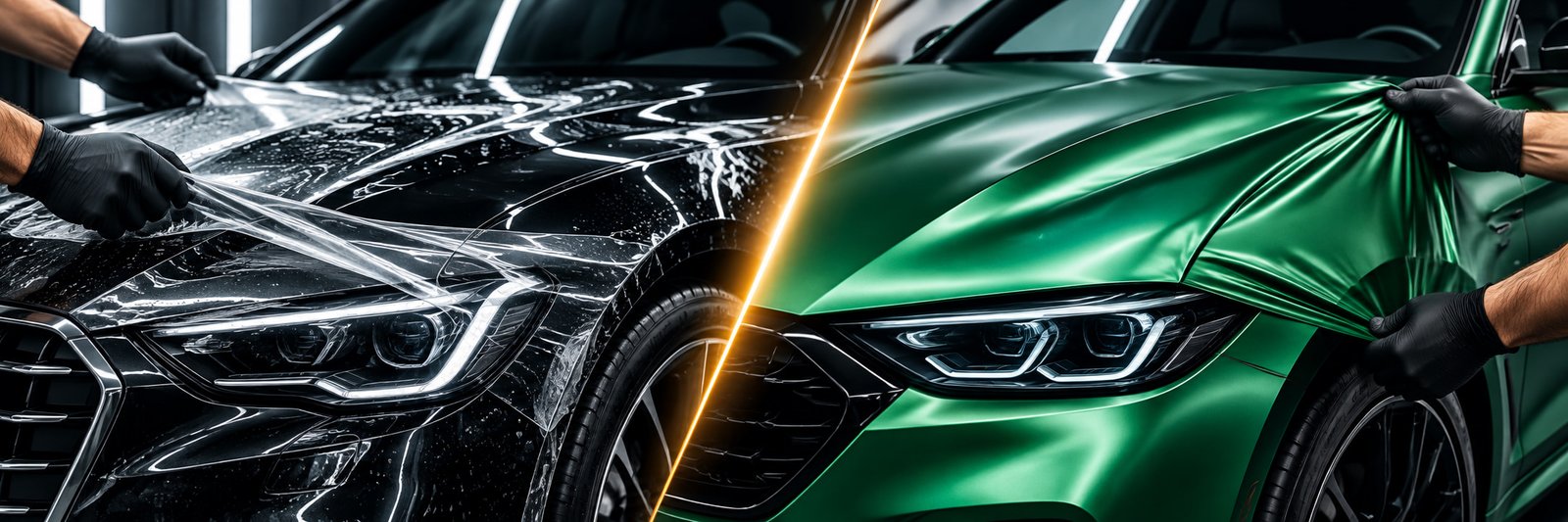
PPF vs Vinyl Wrap: What's the Difference?
Paint Protection Film and vinyl wrap are both installed over a vehicle's painted surface, but they are designed for different purposes. PPF is mainly focused on protecting the original paint from road hazards, while vinyl wrap is primarily used to change the vehicle's color, style or finish.
PPF is a transparent protective film that helps reduce the impact of stone chips, light scratches, road debris and everyday surface damage. Vinyl wrap, on the other hand, gives car owners more flexibility when changing the exterior appearance of their vehicle.
Understanding the difference between PPF and vinyl wrap can help you choose the right option based on your priorities, whether your main goal is paint protection, styling or a combination of both.
What Is PPF?
Paint Protection Film is a clear or specially finished protective film applied to painted areas of a vehicle. Its main purpose is to help protect the original factory paint from common road hazards and everyday wear.
PPF is commonly installed on high-impact areas such as the front bumper, hood, fenders, mirrors and other parts of the vehicle that are more exposed to road debris. Full-car PPF can also be installed when maximum paint protection is desired.
What Is Vinyl Wrap?
Vinyl wrap is a flexible material designed to cover the exterior surface of a vehicle and change its color, finish or overall appearance. It is available in many different colors and finishes, including gloss, matte, satin, metallic and other custom styles.
Unlike PPF, vinyl wrap is mainly chosen for styling and customization. Car owners can use it to create a completely different look without permanently repainting the vehicle. The wrap can also be removed later when professionally installed and maintained.
What Is Vinyl Wrap Mainly Used For?
The main purpose of vinyl wrap is to customize the appearance of a vehicle. It allows owners to change the exterior color or finish while keeping the original paint underneath the wrap.
Vinyl wrap is especially popular among car enthusiasts who want a unique appearance, a temporary color change or a custom finish. It can be applied to the entire vehicle or selected exterior panels depending on the desired design.
PPF and Vinyl Wrap Have Different Priorities
The biggest difference between the two products is their primary purpose. PPF is designed with paint protection as its main goal, while vinyl wrap is designed mainly for appearance and vehicle customization.
If protecting the original paint from stone chips and everyday road damage is your priority, PPF may be the more suitable option. If changing the color or creating a particular visual style is more important, vinyl wrap may be a better choice.
PPF vs Vinyl Wrap: Which Offers Better Protection?
When comparing PPF vs vinyl wrap for vehicle protection, PPF generally has the advantage because it is specifically designed to protect painted surfaces from common road hazards. Its thicker construction helps absorb impacts that can otherwise damage the vehicle's original paint.
Vinyl wrap can provide a layer between the painted surface and the outside environment, but its primary purpose is styling rather than impact protection. It is not generally designed to provide the same level of protection against stone chips and road debris as PPF.
PPF Protection Against Stone Chips and Scratches
One of the main reasons car owners choose Paint Protection Film is to help protect vulnerable painted areas from stone chips, road debris and light surface scratches.
PPF is particularly useful on areas such as the front bumper, hood, fenders, mirrors and other high-impact sections of a vehicle. These areas can experience more exposure to road debris during everyday driving.
Can Vinyl Wrap Protect Your Car Paint?
Vinyl wrap can help shield the underlying paint from some everyday surface exposure, but it should not be considered a direct replacement for a dedicated paint protection film when maximum paint protection is the main goal.
The level of protection can also depend on the quality of the material, installation and how the vehicle is used. For drivers who regularly travel on highways or roads with loose debris, choosing a product specifically designed for paint protection can be an important consideration.
PPF vs Vinyl Wrap: Which Lasts Longer?
Durability is another important factor when comparing PPF vs vinyl wrap. The lifespan of either option can depend on material quality, installation, weather conditions, vehicle usage and regular maintenance.
PPF is generally designed for long-term paint protection and can remain effective for several years when a quality film is professionally installed and properly maintained. It is engineered to handle everyday exposure to sunlight, road debris and environmental conditions.
PPF Lifespan
A quality Paint Protection Film can provide long-lasting protection when installed correctly. The actual lifespan depends on the specific film, warranty, climate, driving conditions and maintenance routine.
Regular washing with suitable products and avoiding harsh chemicals can help maintain the film's appearance and performance over time. Professional installation is also important because poor installation can affect the film's edges, appearance and overall durability.
Vinyl Wrap Lifespan
Vinyl wrap can also last for several years, but its durability depends heavily on the quality of the wrap and the conditions in which the vehicle is used. Prolonged sunlight, heat, washing methods and environmental exposure can affect the appearance and condition of the wrap.
Over time, vinyl wrap may show signs of fading, lifting, cracking or surface wear, particularly when exposed to demanding outdoor conditions. Proper installation and regular care can help extend its useful life.
PPF vs Vinyl Wrap: Appearance and Finish
Appearance is one of the biggest differences between PPF and vinyl wrap. PPF is mainly chosen when the owner wants to preserve the vehicle's original paint and factory appearance while adding a layer of protection.
Vinyl wrap is more focused on changing the look of the vehicle. It gives car owners the freedom to choose from different colors, textures and finishes to create a customized exterior appearance.
PPF Finish Options
Modern PPF is available in different finishes depending on the product. Gloss PPF is designed to maintain a shiny appearance, while matte or satin options can give the vehicle a different visual character without using traditional paint.
Clear gloss PPF is often selected by owners who want to keep the original color and appearance of their vehicle while adding paint protection.
Vinyl Wrap Offers More Color Choices
Vinyl wrap generally provides more styling flexibility. It is available in a wide range of colors and finishes, making it suitable for owners who want to completely change the appearance of their car.
Depending on the material, vinyl wrap can create gloss, matte, satin, metallic and other custom visual effects. This makes vinyl wrap a popular option for vehicle customization and styling projects.
PPF vs Vinyl Wrap: Maintenance and Cleaning
Both PPF and vinyl wrap require proper care to maintain their appearance and performance. Regular washing helps remove dust, dirt, road contamination and other particles that can build up on the vehicle's exterior.
The cleaning method should be gentle for both materials. Using harsh chemicals, aggressive brushes or incorrect washing techniques may affect the surface over time.
How to Maintain PPF
PPF should be washed regularly using a suitable automotive shampoo and soft washing equipment. It is important to avoid abrasive cleaning methods that could unnecessarily stress the film's surface or edges.
After washing, the vehicle should be dried gently using a clean, soft microfiber towel. Regular maintenance can help keep the film looking clean while supporting its long-term performance.
How to Maintain Vinyl Wrap
Vinyl wrap should also be cleaned regularly to prevent dirt and environmental contamination from remaining on the surface. Gentle hand washing is generally preferred for maintaining the finish.
When cleaning a wrapped vehicle, avoid aggressive scrubbing and harsh chemicals that may affect the vinyl's finish. Proper care can help preserve the color and appearance of the wrap for longer.
Which Is Easier to Maintain?
Both options can be relatively easy to maintain when installed correctly and cared for properly. The best choice depends on whether your priority is long-term paint protection or changing and maintaining a customized vehicle appearance.
PPF vs Vinyl Wrap: Which Costs More?
Cost is an important factor when deciding between PPF and vinyl wrap. The final price can vary depending on the quality of the material, vehicle size, coverage area, installation quality and the condition of the vehicle's paint.
In general, high-quality PPF can cost more than vinyl wrap because it is specifically engineered for paint protection and is made to withstand everyday road exposure. However, the price should be considered together with the level of protection and long-term value it provides.
Is PPF Worth the Investment?
For car owners who want to preserve their original factory paint, PPF can be a worthwhile investment. It can help reduce the risk of stone chips, light scratches and other common forms of exterior damage.
Choosing a quality Paint Protection Film and having it professionally installed can provide better long-term protection than choosing a product based only on the lowest installation price.
Is Vinyl Wrap Worth the Investment?
Vinyl wrap can be a good investment for owners whose main goal is to change the vehicle's appearance. It offers a wide range of colors and finishes without requiring a permanent paint change.
If styling and customization are more important than maximum paint protection, vinyl wrap can provide excellent visual flexibility. The right choice ultimately depends on how you use your vehicle and what you want to achieve.
PPF vs Vinyl Wrap: Installation Process
Both PPF and vinyl wrap require careful installation to achieve a clean and professional finish. The process involves preparing the vehicle's surface, applying the material correctly and carefully finishing the edges.
Professional installation is important because improper application can result in bubbles, wrinkles, lifting edges or an uneven finish. The condition of the vehicle's paint should also be checked before the installation begins.
PPF Installation Process
PPF installation normally begins with a thorough vehicle wash and surface preparation. The paint may also require decontamination or correction before the film is applied.
The film is then positioned and applied carefully to the selected panels. Installers use suitable application techniques to minimize bubbles and ensure the film follows the contours of the vehicle. The edges are then carefully finished for a cleaner appearance.
Vinyl Wrap Installation Process
Vinyl wrap installation also starts with cleaning and preparing the vehicle's exterior. The material is measured and positioned over the selected panels before being carefully applied to the surface.
The installer works the vinyl around curves, body lines and other sections of the vehicle while managing the material to achieve a smooth finish. Proper edge finishing is important to reduce the chance of lifting and to maintain the appearance of the wrap.
Why Professional Installation Matters
Whether you choose PPF or vinyl wrap, installation quality can have a major effect on the final result. An experienced installer can help ensure proper surface preparation, accurate application and clean finishing around the vehicle's panels and edges.
PPF vs Vinyl Wrap: Which Is Better for Your Car?
The better option depends on what you want from your vehicle protection or styling. PPF is generally the stronger choice when your priority is protecting the original paint from stone chips, road debris and everyday surface damage.
Vinyl wrap is generally the better choice when your main goal is to change the vehicle's color, finish or overall appearance. It offers greater styling flexibility and a wide range of visual options.
Choose PPF If Paint Protection Is Your Priority
If you want to keep your car's original paint and reduce the risk of damage from everyday road conditions, PPF can be a suitable option. It is specifically designed as a protective layer over the painted surface.
PPF can be especially useful for vehicles that are driven regularly, travel on highways or are exposed to stone chips, road debris and other external hazards.
Choose Vinyl Wrap If Styling Is Your Priority
If you want to change the appearance of your car without permanently repainting it, vinyl wrap can be a practical choice. Different colors, finishes and styles allow you to create a customized exterior.
Vinyl wrap is therefore more suitable for owners who are primarily interested in customization, color changes and creating a distinctive appearance for their vehicle.
Can You Use PPF and Vinyl Wrap Together?
In some cases, PPF and vinyl wrap can be used as part of a customized vehicle protection and styling approach. The appropriate combination depends on the vehicle, the desired appearance and which areas require additional protection.
PPF vs Vinyl Wrap: Pros and Cons
Advantages of PPF
PPF is specifically designed to protect a vehicle's painted surface. One of its main advantages is its ability to help reduce damage caused by stone chips, road debris, light scratches and everyday driving conditions.
Clear PPF can also help preserve the original appearance of the vehicle while providing an additional protective layer over the factory paint. Different finishes are available for owners who want protection with a particular visual appearance.
Limitations of PPF
High-quality PPF can be more expensive than vinyl wrap, especially when covering a large portion or the entire vehicle. Professional installation is also important to achieve a clean finish and reliable long-term performance.
PPF is primarily focused on protection, so it may not offer the same level of color and styling customization that vinyl wrap provides.
Advantages of Vinyl Wrap
Vinyl wrap provides extensive styling flexibility. Car owners can choose from many colors, finishes and visual effects to create a customized appearance.
It can also be used to change the appearance of a vehicle without permanently repainting the original paint, making it popular for temporary or customized styling projects.
Limitations of Vinyl Wrap
Vinyl wrap is primarily designed for appearance rather than maximum paint protection. It may not provide the same level of resistance to stone chips and impact damage as a dedicated paint protection film.
Its appearance and durability can also be affected by prolonged sunlight, heat, environmental exposure and improper cleaning or maintenance.
PPF vs Vinyl Wrap: Impact on Resale Value
Protecting or maintaining a vehicle's exterior can be an important consideration for owners who plan to sell their car in the future. A clean and well-maintained exterior can help create a better overall impression when presenting a vehicle to potential buyers.
PPF can help preserve the original painted surface by adding a protective layer over areas exposed to road debris and everyday driving conditions. This can be particularly valuable for owners who want to keep the factory paint in good condition.
Does PPF Help Preserve Original Paint?
One of the main benefits of Paint Protection Film is that it is applied over the vehicle's original paint. When properly installed and maintained, it can help reduce the impact of common external hazards on the protected areas.
Keeping the original paint protected can be especially important for owners who value the factory finish and want to maintain the vehicle's original appearance over a longer period.
Does Vinyl Wrap Affect the Original Paint?
Vinyl wrap is also installed over the vehicle's existing surface, so the original paint remains underneath the material. When a quality wrap is professionally installed and removed correctly, it can allow the owner to change the vehicle's appearance without permanently repainting it.
However, the condition and quality of the underlying paint, the quality of the vinyl and the installation and removal process can all affect the final result. Proper professional handling is therefore important.
Which Is Better for Preserving Your Car?
If your main objective is to protect the original paint from everyday road damage, PPF is generally the more protection-focused choice. If your main objective is changing the vehicle's appearance while keeping the original paint underneath, vinyl wrap can be a suitable option.
PPF vs Vinyl Wrap for Lahore and Pakistan Weather
Weather and driving conditions are important factors when choosing between PPF and vinyl wrap. Vehicles in Lahore and other parts of Pakistan can experience strong sunlight, high temperatures, dust, traffic and regular exposure to road debris.
These conditions can affect the appearance and long-term performance of exterior protection and styling materials. Choosing the right product should therefore depend on how the vehicle is used and what type of protection or appearance the owner wants.
PPF for Hot and Dusty Driving Conditions
PPF is designed to provide a protective layer over the vehicle's painted surface. This makes it a practical consideration for cars that regularly encounter stone chips, road debris and everyday driving hazards.
Professional installation and regular maintenance are important, especially when the vehicle is exposed to strong sunlight, dust and changing outdoor conditions. Proper care can help maintain the film's appearance and performance.
Vinyl Wrap in Hot Weather
Vinyl wrap can be a suitable option for vehicle owners who want to change their car's color or finish. However, prolonged outdoor exposure and intense sunlight can affect the appearance and condition of exterior materials over time.
Proper installation, suitable material selection and regular cleaning are important for maintaining a wrapped vehicle, particularly when it is regularly parked or driven outdoors in hot weather.
Which Option Is Better for Lahore?
For car owners in Lahore whose main priority is protecting the original paint from road hazards, PPF is generally the more protection-focused option. Vinyl wrap may be more suitable when the main goal is changing the vehicle's appearance or adding a customized finish.
PPF vs Vinyl Wrap: Which One Should You Choose?
Choosing between PPF and vinyl wrap ultimately depends on your main objective. Both materials can improve the overall experience of owning a vehicle, but they are designed to solve different problems.
If protecting your original paint from stone chips, road debris and everyday driving damage is your main priority, PPF is generally the better choice. It is specifically designed to act as a protective layer over the vehicle's painted surface.
If changing the color, finish or overall appearance of your car is your main goal, vinyl wrap can provide more styling and customization options.
Choose PPF If You Want:
• Protection against stone chips and road debris
• Help reducing light surface scratches
• To preserve the original factory paint
• A transparent protective layer
• Long-term exterior paint protection
Choose Vinyl Wrap If You Want:
• A different vehicle color
• Custom exterior styling
• Gloss, matte, satin or other finishes
• More visual customization options
• A temporary alternative to repainting
PPF or Vinyl Wrap: The Simple Answer
For paint protection, PPF is the more suitable option. For vehicle styling and color customization, vinyl wrap is generally the better choice. Understanding this difference makes it easier to select the right solution for your vehicle.
PPF vs Vinyl Wrap: Final Verdict
PPF and vinyl wrap are both useful solutions, but they are designed for different purposes. PPF focuses primarily on protecting the vehicle's original paint, while vinyl wrap focuses more on changing the vehicle's appearance and creating a customized style.
If your priority is protecting your car from stone chips, road debris, light scratches and everyday driving exposure, PPF is generally the better option. If your priority is changing the color or finish of your vehicle, vinyl wrap may be the more suitable choice.
PPF or Vinyl Wrap: Make the Right Choice
Before choosing either option, consider your driving conditions, desired appearance, budget, maintenance expectations and how long you plan to keep the vehicle. Selecting a quality material and using a professional installer can also make a significant difference in the final result.
For owners who want to maintain the original factory appearance while adding dedicated paint protection, PPF is the more protection-focused solution. For owners who want a new color or customized finish, vinyl wrap provides greater styling flexibility.
PPF vs Vinyl Wrap – Which Is Better?
There is no single option that is best for every car owner. PPF is the better choice for paint protection, while vinyl wrap is the better choice for styling and color customization. Your personal priorities should determine which solution is right for your vehicle.


