Does PPF Damage Car Paint? | Complete Guide 2026
Many car owners wonder whether Paint Protection Film can damage their vehicle's original paint. When installed and removed correctly, high-quality PPF is designed to protect the factory finish rather than damage it. In this complete guide, we explain how PPF affects car paint, when problems can occur, and what you should know before installation.
Does PPF Damage Car Paint?
No, professionally installed high-quality PPF normally does not damage a vehicle's factory paint. Paint Protection Film is specifically designed to create a transparent protective layer between the painted surface and everyday road hazards such as stone chips, scratches, road debris, insects and environmental contaminants.
The film uses a specialized adhesive that bonds to the vehicle's surface while allowing the PPF to be removed later when required. When the correct film is installed on healthy factory paint by an experienced professional, the original finish can remain protected underneath the film for years.
When Can PPF Cause Paint Problems?
Although quality PPF itself is designed to be paint-safe, problems can occur when the vehicle has damaged, poorly repaired or repainted surfaces. Weak aftermarket paint, poorly cured bodywork or incorrect installation techniques may increase the risk of paint lifting during removal.
This is why professional inspection before installation is important. An experienced PPF installer should check the condition of the paint, identify previous repairs and determine whether a particular panel is suitable for film installation.
Is PPF Safe for Factory Paint?
For a vehicle with healthy original factory paint, premium TPU PPF is generally considered a safe method of protecting the finish. The film acts as a sacrificial layer that takes much of the everyday abuse while helping the original paint remain cleaner and better protected underneath.
The quality of the film, adhesive, installation process and eventual removal all play an important role in maintaining the condition of the paint. Choosing a professional installer and a reputable PPF product can significantly reduce the chance of installation or removal problems.
How Does PPF Protect Your Car Paint?
Paint Protection Film works as a sacrificial protective layer over the vehicle's painted surfaces. Instead of allowing road debris, small stones and minor scratches to directly affect the factory finish, the film absorbs much of the everyday impact.
Modern TPU PPF is flexible and designed to follow the contours of the vehicle. Once properly installed, it creates a smooth protective barrier while keeping the original paint color and appearance visible underneath.
Can PPF Protect Against Scratches?
One of the main purposes of PPF is to reduce the risk of surface scratches caused by everyday driving and normal vehicle use. Light contact from road debris, minor rubbing and other common hazards can affect unprotected paint, while a quality film provides an additional layer of protection.
Premium films may also feature self-healing technology. Light swirl marks and minor surface scratches can gradually disappear when the film is exposed to suitable heat or sunlight, helping maintain a clean and glossy appearance.
Can PPF Prevent Stone Chips?
Stone chips are a common concern for vehicles driven on highways and roads where gravel and debris can be thrown toward the front of the car. The front bumper, bonnet, fenders and side mirrors are particularly exposed to these impacts.
A quality PPF can absorb and distribute the force of many minor impacts, helping reduce the chance of chips reaching the original paint. However, PPF is not completely damage-proof and extremely strong impacts can still damage the film or the surface underneath.
Does PPF Affect the Original Paint Color?
High-quality transparent PPF is designed to preserve the vehicle's original appearance rather than change its factory color. When the film has good optical clarity and is professionally installed, the paint underneath remains clearly visible.
The protective layer can also help reduce exposure to environmental contaminants and UV-related deterioration, allowing the factory finish to remain protected while the film is installed.
What Happens to Paint Under PPF?
The original paint remains underneath the film while the PPF acts as a protective barrier. This means the painted surface has less direct exposure to road debris, minor scratches, insects, dirt and other contaminants encountered during everyday driving.
Keeping the film properly maintained is important because contaminants should not be allowed to remain on the surface for extended periods. Regular cleaning and appropriate PPF care help maintain both the film and the appearance of the paint underneath.
Is PPF Safe to Remove From Car Paint?
When high-quality PPF is installed on healthy factory paint, it can generally be removed without damaging the original finish. The removal process should be handled carefully because the adhesive needs to be softened and the film lifted gradually rather than pulled aggressively.
Professional installers use suitable techniques and controlled heat when necessary to help separate the film from the surface safely. This reduces unnecessary stress on the paint and helps maintain the original factory finish.
Can PPF Pull Off Car Paint?
On properly cured and healthy factory paint, quality PPF is designed to adhere securely without pulling off the paint during normal use or correct removal. However, the condition of the paint underneath the film is an important factor.
Repainted panels, poorly cured bodywork, peeling clear coat and weak aftermarket paint can have a higher risk of lifting during PPF removal. For this reason, a professional installer should inspect repaired or repainted areas before applying the film.
PPF on Factory Paint vs Repainted Panels
Factory paint is normally bonded strongly to the vehicle's body and provides an ideal surface for PPF installation. Repainted panels can be different because the quality, curing process and adhesion of aftermarket paint may vary from one repair shop to another.
If your vehicle has previously been repainted, inform the installer before installation. A professional can inspect the panel and explain any potential risks before applying the film.
Does PPF Adhesive Damage Paint?
Quality PPF uses specially formulated adhesive designed for automotive paint surfaces. When the film is installed correctly and maintained properly, the adhesive should remain securely attached while allowing the film to be removed later using the appropriate technique.
Problems are more likely to occur when low-quality materials, improper installation methods or damaged paint are involved. Choosing a reputable film and experienced installer is therefore an important part of protecting the vehicle's original finish.
How to Reduce the Risk of Paint Damage
The best way to reduce the risk of paint damage is to start with a clean, healthy surface and have the vehicle inspected before installation. The installer should identify repainted panels, damaged clear coat and other areas that may require special attention.
Using a reputable PPF product, professional installation and proper removal techniques can help ensure that the protective film performs as intended while keeping the original paint protected underneath.
How Long Can PPF Stay on Car Paint?
A quality Paint Protection Film can remain on a vehicle for several years when it is properly installed and maintained. The actual lifespan depends on the film quality, installation conditions, vehicle usage, exposure to sunlight and regular maintenance.
Premium TPU films are designed to maintain their clarity, flexibility and protective performance for years. Regular washing and proper care can also help preserve the film's appearance and reduce premature deterioration.
What Happens When Old PPF Is Not Removed?
PPF should not be left on a vehicle indefinitely once it has reached the end of its useful service life. Over time, exposure to strong sunlight, heat and environmental contaminants can cause an older film to lose its original appearance and become more difficult to remove.
Regular inspection helps identify signs such as excessive discoloration, cracking, surface deterioration or adhesive changes. Replacing aging PPF at the appropriate time helps maintain the condition and appearance of the vehicle.
Signs That Your PPF Needs Replacement
There are several signs that indicate a Paint Protection Film may have reached the end of its useful life. Yellowing, cracking, excessive staining, loss of clarity, damaged areas or deteriorating edges can all indicate that the film should be inspected by a professional.
If only a small section has been damaged, it may be possible to replace that particular panel rather than removing the entire vehicle's PPF. A professional installer can assess the condition and recommend the most suitable solution.
Does PPF Make Paint Look Better?
High-quality PPF can enhance the appearance of a vehicle by creating a smooth, glossy and uniform surface over the original paint. Its optical clarity allows the factory color and finish to remain visible while the film provides an additional protective layer.
Premium films with advanced top coatings can also make the surface easier to clean and help maintain a fresh appearance between washes. However, the final result depends heavily on the quality of the film and installation.
Why Professional PPF Installation Matters
Even the best PPF can produce poor results if it is installed incorrectly. Professional installation includes proper surface preparation, accurate pattern alignment, controlled application and careful edge finishing.
A skilled installer can also identify potential paint issues before installation and advise whether specific panels are suitable for PPF. This is especially important for vehicles with previous body repairs or aftermarket paintwork.
Does PPF Damage Clear Coat?
A properly installed PPF is designed to sit over the vehicle's clear coat and provide an additional layer of protection. On healthy factory paint, the film normally does not damage the clear coat during everyday use.
In fact, one of the main benefits of PPF is that it helps shield the clear coat from stone chips, light scratches, road debris, UV exposure and environmental contaminants. The original surface remains underneath the protective film while the PPF takes much of the everyday exposure.
Can PPF Cause Paint Discoloration?
High-quality PPF is manufactured to maintain optical clarity and resist yellowing and discoloration over time. A premium TPU film should allow the original paint color to remain visible without creating noticeable changes to the vehicle's appearance.
However, the condition and quality of the film can affect the final appearance. Low-quality materials, prolonged exposure to harsh conditions or an aging film may eventually develop discoloration or reduced clarity.
Can PPF Leave Adhesive Residue?
When quality PPF is removed correctly, excessive adhesive residue should generally not remain on healthy automotive paint. Professional installers use appropriate removal techniques to separate the film while minimizing adhesive residue.
If some adhesive remains after removal, it can usually be addressed using suitable automotive-safe products and professional cleaning methods. Aggressive scraping or harsh chemicals should be avoided because they can affect the paint surface.
Does PPF Damage Ceramic Coating?
PPF and Ceramic Coating serve different protective purposes, and their compatibility depends on the installation process and product specifications. PPF is generally installed directly over the vehicle's paint, while ceramic coating creates a protective surface layer.
If a vehicle already has Ceramic Coating, the installer should inspect the surface before applying PPF. The coating may need to be considered because proper film adhesion is important for a secure and clean installation.
Is PPF Better Than Leaving Paint Unprotected?
For owners who want to preserve their original factory finish, PPF provides an additional layer of physical protection that unprotected paint does not have. It can help reduce damage from stone chips, road debris, scratches and other common driving hazards.
The best results come from choosing a suitable film, having it professionally installed and following the recommended maintenance routine. This allows the protective layer to perform effectively while keeping the original paint in good condition.
What Factors Can Increase the Risk of PPF Paint Damage?
Although quality PPF is designed to protect automotive paint, the condition of the vehicle and the installation process can affect the final result. Understanding these factors can help you avoid potential problems and make a better decision before installation.
Poor Quality PPF
Low-quality films may use inferior materials or adhesive systems that do not provide the same level of performance as premium TPU films. Over time, poor-quality film may experience excessive yellowing, cracking, shrinking or adhesive-related issues.
Choosing a reputable PPF product with established performance and suitable warranty coverage can help reduce these risks and provide more consistent long-term protection.
Incorrect Installation
Improper installation can create problems such as lifting edges, trapped contamination, wrinkles, excessive stretching and uneven adhesion. These issues can affect both the appearance and performance of the film.
Professional installation is especially important around complex body panels, edges, curves and areas where the film needs to be carefully positioned. Proper preparation and application help ensure a clean and secure finish.
Damaged or Repainted Car Panels
Vehicles with peeling clear coat, damaged paint, previous body repairs or poorly cured repainting require additional attention before PPF installation. The film may adhere differently to these surfaces compared with healthy factory paint.
A professional installer should inspect such panels before installation and explain any potential risks. In some cases, repairing the affected area first may be the better option.
Incorrect PPF Removal
Removing PPF aggressively or without the appropriate technique can increase the risk of paint damage, particularly on weak or previously repaired surfaces. The film should be removed gradually and carefully.
Controlled heat and proper removal techniques can help soften the adhesive and make the process safer. If you are unsure about removing old PPF, professional removal is the safest approach.
How to Choose Safe PPF for Your Car
Before installing PPF, consider the film's material, adhesive quality, optical clarity, durability, warranty and the experience of the installer. A proper vehicle inspection should also be completed before the film is applied.
Choosing the right combination of film and professional installation can help protect your vehicle's factory paint while minimizing the risks associated with poor-quality materials or incorrect application.
How to Make Sure PPF Does Not Damage Your Car Paint
The safest way to protect your vehicle is to focus on three things: the quality of the film, the condition of the paint and the quality of installation. When all three are handled correctly, PPF can provide long-term protection without compromising the original factory finish.
Choose High-Quality TPU PPF
A premium TPU film is designed to provide better clarity, flexibility, durability and adhesive performance than lower-quality alternatives. Before installation, ask about the film material, expected lifespan, warranty and maintenance requirements.
Inspect the Vehicle Before Installation
The vehicle should be thoroughly inspected before any film is applied. Factory paint, repainted panels, scratches, clear coat condition and previous repairs should all be checked so that potential risks can be identified before installation.
If a panel has weak or damaged paint, the installer should explain the condition before proceeding. This helps the vehicle owner make an informed decision and avoid unexpected problems during future PPF removal.
Use a Professional PPF Installer
Professional installation makes a major difference in the final result. An experienced installer understands how to prepare the paint, apply the film without excessive stretching and finish the edges properly.
Proper installation also reduces the possibility of lifting edges, contamination, wrinkles and adhesive-related issues. For valuable or new vehicles, professional installation is generally the better choice.
Follow Proper PPF Maintenance
After installation, follow the recommended washing and maintenance procedures provided by the film manufacturer or installer. Use suitable automotive cleaning products and avoid aggressive chemicals or abrasive tools that may affect the film's surface.
Regular inspection can also help identify lifting edges, surface damage or other issues early. Addressing small problems before they become worse can help extend the useful life of the film.
Use Proper Removal Techniques
When the PPF eventually reaches the end of its service life, it should be removed carefully. Professional removal can help minimize the risk of adhesive residue or paint lifting, especially on older, repaired or repainted panels.
The goal of PPF is to protect the original paint throughout its service life. With the right product, proper installation, regular maintenance and careful removal, the vehicle can continue to benefit from the protection without unnecessary paint-related risks.
PPF Damage vs Normal PPF Wear
It is important to understand the difference between actual paint damage and normal wear that can occur on the film itself. PPF is designed to take everyday exposure so that the original paint underneath receives less direct impact.
Small marks, surface contamination or minor damage to the film do not necessarily mean that the vehicle's paint has been damaged. In many cases, the film has simply performed its intended protective function.
When Should Damaged PPF Be Replaced?
If the film has suffered significant damage from a strong impact, has developed cracks or has started lifting from the panel, it should be inspected by a professional. Leaving severely damaged film in place for too long may affect its appearance and protective performance.
Individual damaged panels can often be replaced without removing the PPF from the entire vehicle. This can be a practical option when damage is limited to areas such as the bumper, bonnet, fender or mirror.
Can PPF Protect Older Cars?
PPF can also be installed on older vehicles when the paint is in suitable condition. However, the surface should be inspected carefully before installation because older vehicles may have previous repairs, repainting, oxidation or clear coat deterioration.
If the paint is healthy and properly prepared, PPF can provide an additional protective layer and help preserve the vehicle's existing finish. If the paint is already failing, repairs may be necessary before film installation.
Does PPF Damage Matte or Special Paint?
Special finishes such as matte, satin and other non-standard automotive paints require careful product selection. The appearance of the film should be compatible with the original finish so that the desired look of the vehicle is maintained.
Before installing PPF on a special finish, discuss the paint type with a professional installer and confirm that the selected film is suitable for that particular surface.
PPF Is Designed to Protect, Not Damage
The primary purpose of PPF is to provide a sacrificial layer between the vehicle's paint and everyday environmental hazards. When the correct film is installed on suitable paint and maintained properly, it can help preserve the original finish rather than damage it.
The most important factors are film quality, paint condition, professional installation and correct removal. Paying attention to these factors can help you enjoy the protective benefits of PPF while keeping your vehicle's paint in excellent condition.
Is PPF Worth It If You Want to Protect Your Car Paint?
For car owners who want to preserve the original factory finish, PPF can be a worthwhile investment. It provides a physical protective layer against common road hazards that can otherwise leave permanent marks on exposed paint.
The value of PPF is especially noticeable on new vehicles, luxury cars and daily-driven vehicles that regularly face highway driving, road debris, dust and harsh environmental conditions.
Benefits of Using PPF on Your Vehicle
One of the biggest advantages of PPF is its ability to protect high-impact areas from stone chips and minor scratches. The film can also help maintain the vehicle's gloss and reduce direct exposure of the paint to environmental contaminants.
Another benefit is that the film can be replaced when it becomes heavily damaged or reaches the end of its useful life, while the original paint underneath may remain in much better condition.
Which Cars Benefit Most From PPF?
New cars are among the best candidates for PPF because their factory paint is usually in its original condition. Installing protection early can help prevent damage before it occurs.
Luxury vehicles, sports cars, imported vehicles and cars that are frequently driven on highways can also benefit from additional paint protection because repairing or repainting damaged panels can be expensive.
Full Car PPF or Partial PPF?
The amount of PPF you need depends on your driving habits, budget and protection goals. Partial PPF can be suitable for owners who mainly want to protect high-impact areas such as the front bumper, bonnet, fenders and mirrors.
Full-car PPF provides broader protection by covering most or all painted exterior panels. It can be a better option for owners who want consistent protection across the entire vehicle and want to minimize exposure of the original paint.
Final Answer: Does PPF Damage Car Paint?
When high-quality PPF is installed on healthy paint by a professional installer and removed using the correct technique, it is designed to protect the vehicle rather than damage its paint. The biggest risks generally come from poor-quality film, damaged or improperly repaired paint, incorrect installation or aggressive removal.
Before installing PPF, always inspect the condition of the paint and choose a reputable film and experienced installer. With proper installation and maintenance, PPF can be an effective way to protect your vehicle's original factory finish for years.
Professional PPF Installation vs DIY Installation
The installation method plays an important role in preventing potential paint-related problems. While DIY PPF kits may appear convenient, professional installation provides better control over surface preparation, film placement, stretching and edge finishing.
Why Professional Installation Is Safer
A professional installer can inspect the vehicle before applying the film and identify damaged, repainted or weak areas. This allows potential issues to be addressed before the PPF is installed.
Professional installers also have the tools and experience required to apply the film correctly without excessive stretching or unnecessary pressure on the paint surface. Proper edge finishing helps reduce lifting and contamination over time.
What Happens During Professional Installation?
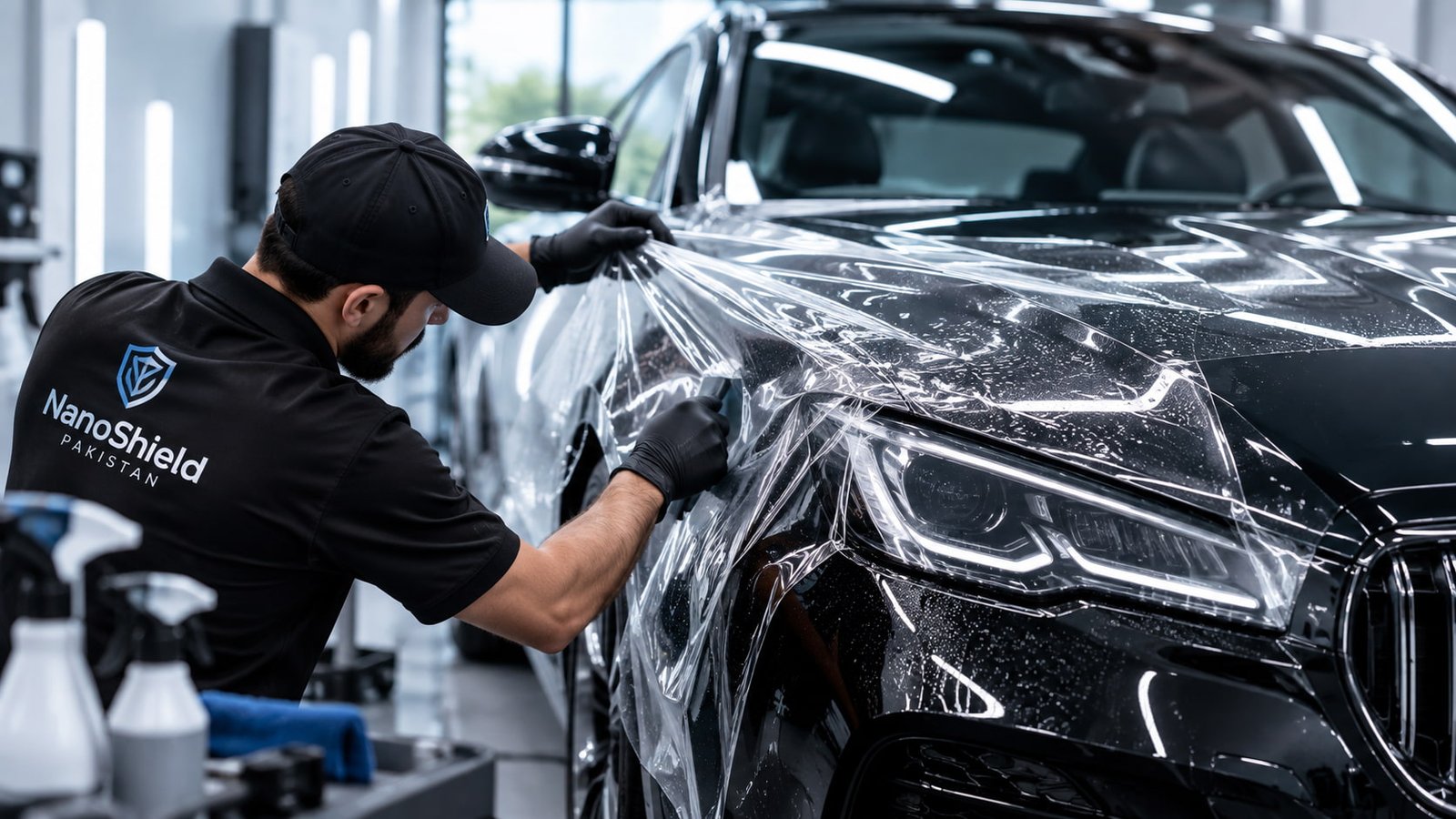
The vehicle is first thoroughly cleaned and prepared to remove dirt, dust, grease and other contaminants from the paint surface. The installer then applies the selected PPF pattern carefully to the appropriate panels.
After the film is positioned, the installer works out installation solution and air from underneath the film while carefully following the contours of the vehicle. Edges are then finished properly to create a clean and secure appearance.
Why Paint Condition Matters Before Installation
PPF should ideally be installed on clean and healthy automotive paint. If a vehicle has peeling clear coat, damaged paint, oxidation or poorly repaired panels, these areas should be identified before installation.
Installing film over unsuitable paint can increase the risk of problems during future removal. A professional inspection helps determine whether the existing surface is suitable for PPF.
What to Ask Your PPF Installer
Before installation, ask the installer about the type of film being used, its material, warranty, expected lifespan and removal process. You should also ask whether the vehicle will be inspected for previous repainting or damaged paint.
Understanding these details before installation can help you choose the right product and avoid unnecessary risks while protecting your vehicle's original finish.
Common Myths About PPF and Car Paint
There are several misconceptions about Paint Protection Film and its effect on automotive paint. Understanding what is true and what is not can help vehicle owners make a more informed decision before installing PPF.
Myth: PPF Automatically Damages Factory Paint
This is one of the most common misconceptions. Quality PPF is specifically designed to protect automotive paint and is generally safe when installed on healthy factory paint using the correct installation process.
Myth: PPF Will Always Pull Paint Off During Removal
Properly installed PPF does not normally pull healthy factory paint away during correct removal. However, previously repainted panels, weak clear coat and poorly cured paint can have a different level of adhesion and may require additional care.
Myth: All PPF Films Are the Same
Different PPF products can vary significantly in material quality, adhesive performance, optical clarity, durability, surface coating and resistance to yellowing. Premium TPU films are generally designed to provide better long-term performance than basic alternatives.
Myth: PPF Makes the Car Completely Damage-Proof
PPF provides an important protective layer, but it cannot make a vehicle completely immune to damage. Extremely strong impacts, sharp objects and severe accidents can still damage the film and potentially affect the paint underneath.
Myth: PPF Never Needs Maintenance
Although PPF reduces the amount of direct exposure to the original paint, the film itself still needs proper care. Regular washing, suitable cleaning products and periodic inspection can help maintain its clarity, gloss and protective performance.
Myth: Cheap PPF Gives the Same Protection
Price alone does not determine quality, but very low-cost films may use different materials and adhesive systems that do not provide the same durability, clarity or long-term performance as premium products.
When choosing PPF, consider the film material, installation quality, warranty, expected lifespan and the reputation of the installer rather than focusing only on the initial price.
The Bottom Line
PPF is designed to protect the vehicle's paint, not damage it. The condition of the paint, quality of the film, installation method and removal technique are the main factors that determine how safely the film performs throughout its service life.
Final Verdict: Does PPF Damage Car Paint?
For most vehicles with healthy factory paint, high-quality PPF is designed to protect the paint rather than damage it. The film creates a protective barrier against stone chips, road debris, minor scratches, environmental contaminants and everyday driving exposure.
The most important factors are the quality of the film, the condition of the vehicle's paint, professional installation and proper removal. When these factors are handled correctly, PPF can help preserve the original factory finish for years.
Is PPF a Safe Investment for Your Car?
If preserving the original paint is a priority, PPF can be a practical long-term protection solution. It is particularly useful for new cars, luxury vehicles, sports cars and daily-driven vehicles that are regularly exposed to road debris and harsh environmental conditions.
Before installation, have the vehicle inspected and choose a reputable PPF product and experienced installer. This can help reduce potential problems and ensure that the film provides the protection it was designed to deliver.
Key Takeaway
PPF itself is not normally the cause of paint damage when a quality film is installed correctly on suitable paint. Most potential problems are associated with damaged or poorly repaired paint, low-quality materials, incorrect installation or improper removal.
With the right product, professional installation and proper maintenance, PPF can protect your vehicle's original paint while keeping its appearance cleaner and better preserved over the long term.
Choose the right PPF, use professional installation and follow proper maintenance to get the best long-term protection for your vehicle.