
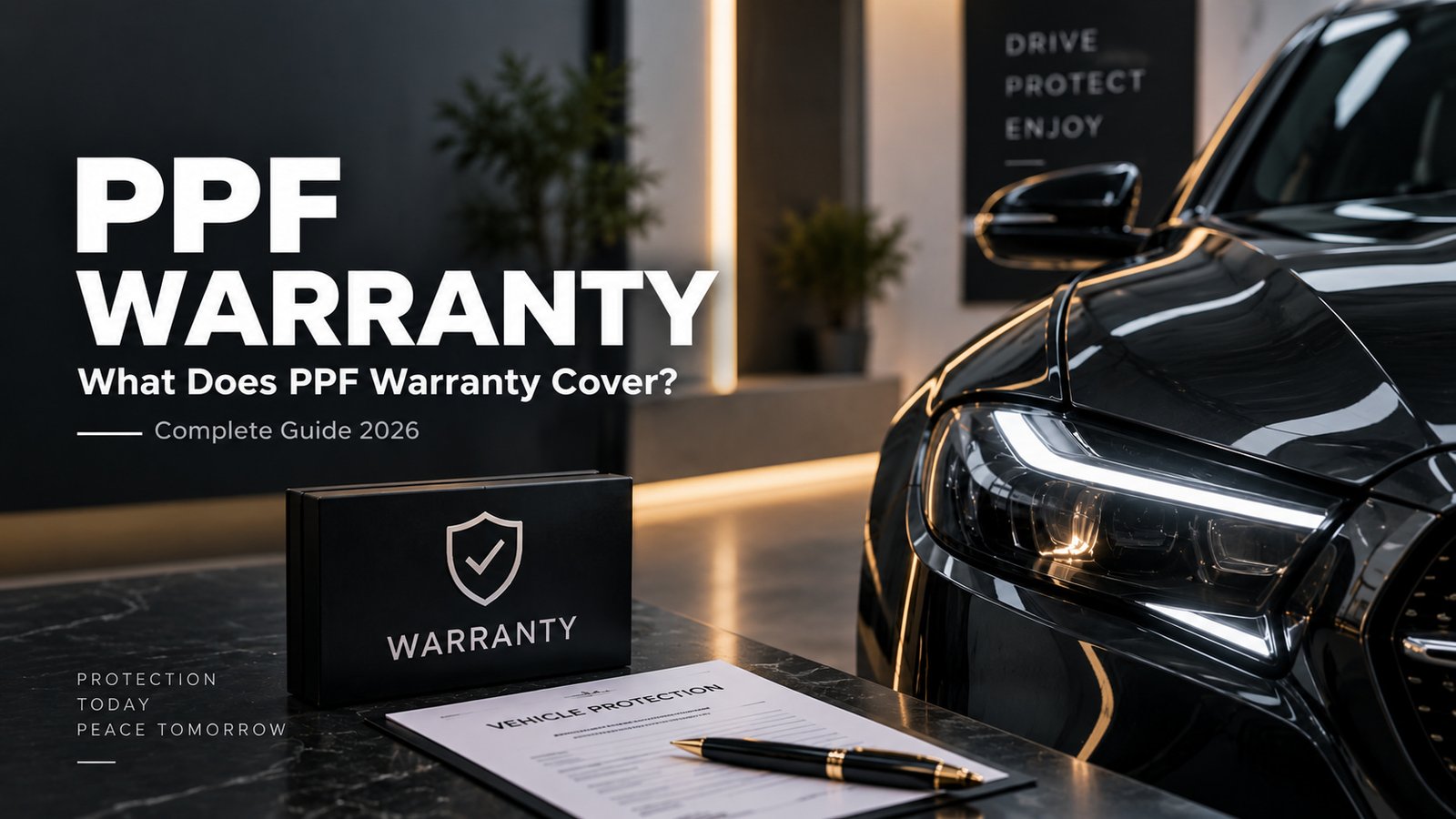
PPF Warranty – What Does PPF Warranty Cover? Complete Guide 2026
A PPF warranty is an important part of understanding Paint Protection Film before installation. It explains the type of film-related problems that may be covered during the specified warranty period and the conditions that apply to the warranty. Paint Protection Film is designed to protect a vehicle's original paint from everyday road hazards, while the warranty provides specific terms related to the film itself.
Why Is PPF Warranty Important?
Paint Protection Film is a long-term investment in your vehicle's exterior protection, so understanding the warranty before installation is important. A warranty can define which film-related defects or problems may qualify for warranty support and what conditions must be followed.
PPF warranty coverage can vary depending on the specific product, manufacturer and warranty terms. Different films may have different warranty periods and may cover different types of film-related issues.
Key Point:
Always check the specific warranty terms of the PPF product being
installed. Warranty duration and coverage are not necessarily the same
for every Paint Protection Film.
What Can a PPF Warranty Cover?
Depending on the product and its warranty terms, PPF warranties may address certain film-related problems such as yellowing, peeling, bubbling, cracking, blistering or delamination. These conditions are generally considered separately from physical damage caused by accidents, road impacts or improper use.
Understanding these differences can help vehicle owners know what their PPF warranty is intended to cover and what situations may fall outside the warranty conditions.
What Does PPF Warranty Cover?
PPF warranty coverage depends on the specific Paint Protection Film product and its warranty terms. However, warranties commonly focus on certain film-related defects that may develop during normal use and within the applicable warranty period.
Some of the issues that may be addressed under PPF warranty terms include yellowing, peeling, bubbling, cracking, blistering and delamination. Each condition should be evaluated according to the specific product warranty before a claim is made.
1. PPF Yellowing
Yellowing refers to a noticeable change in the appearance or clarity of a clear PPF film. This can affect the original appearance of the vehicle, particularly on white, silver and other light-coloured paint.
Warranty coverage for yellowing depends on the specific film and its stated warranty conditions. Film quality, environmental exposure and maintenance can also affect the appearance of PPF over time.
2. PPF Peeling
Peeling occurs when the film begins to lift away from the surface instead of remaining properly bonded to the vehicle. It may become noticeable around edges, corners or other areas where the film has been installed.
If peeling is related to a covered film or adhesive defect and meets the applicable warranty conditions, it may qualify for warranty support. Installation quality and proper aftercare are also important factors.
3. PPF Bubbling or Blistering
Bubbling or blistering can appear as raised areas underneath the film. These issues can have different causes, including installation conditions, trapped moisture, adhesive problems or other film-related issues.
Whether bubbling or blistering is covered depends on the warranty terms of the particular PPF product and the cause of the problem.
4. PPF Cracking
Cracking refers to visible cracks or fractures developing in the film. A warranty may address certain film-related cracking issues when they result from a covered defect and meet the manufacturer's warranty requirements.
Cracking caused by an external impact, accident or other physical damage may be treated differently from a manufacturing or material-related defect.
5. PPF Delamination
Delamination occurs when layers of the film begin separating from each other or from the intended film structure. This can affect the appearance and performance of the PPF.
Where delamination is identified as a covered film defect, it may qualify for warranty support according to the applicable product warranty.
Important:
A warranty does not mean that every type of PPF damage is automatically
covered. The cause of the issue, product warranty, installation
conditions, maintenance and other stated requirements can affect
warranty eligibility.
Warranty Coverage Depends on the PPF Product
PPF products can have different warranty periods and coverage conditions. Before installation, customers should ask for the warranty information for the exact film being installed and understand which defects are covered.
What Is Usually Not Covered by PPF Warranty?
A PPF warranty is generally intended to cover specific film-related defects rather than every type of damage that can happen to a vehicle. Understanding the exclusions is just as important as knowing what the warranty covers.
Warranty conditions can vary between PPF products, so the exact terms should always be checked for the film installed on your vehicle.
Physical Damage and Road Impact
PPF is designed to help protect paint from road debris, stone chips and other everyday hazards, but damage caused by a severe impact, accident or collision may not be considered a warranty defect.
Scratches, cuts or damage caused by an external object can affect the film without indicating a manufacturing problem with the PPF itself.
Improper Cleaning or Maintenance
Using unsuitable chemicals, abrasive materials or improper cleaning methods can affect the appearance and condition of PPF. Customers should follow the recommended cleaning and maintenance instructions for the specific film.
Proper maintenance can help preserve the film's appearance and may also be important when determining whether a particular warranty claim meets the stated conditions.
Damage Caused by Improper Installation
Installation quality can have a significant effect on the appearance and performance of PPF. Problems resulting from incorrect application, contamination or improper handling may be treated differently from manufacturing defects.
This is why choosing a professional installer and keeping installation and warranty documentation can be important for future warranty support.
Unauthorized Repairs or Modifications
If the film is modified, repaired or removed by an unauthorized person, the warranty conditions may be affected depending on the product's specific terms.
Important:
Always read the warranty terms supplied with the exact PPF product.
Coverage, exclusions and claim requirements can vary between products
and manufacturers.
How to Protect Your PPF Warranty
Keep your PPF installation invoice, warranty documentation and product information in a safe place. These documents can help confirm the film installed on your vehicle and the applicable warranty terms.
Follow the recommended washing and maintenance instructions, avoid unnecessary chemical or abrasive treatments and contact the installer when you notice a potential film defect rather than attempting an unauthorized repair yourself.
How to Make a PPF Warranty Claim?
If you notice a potential film-related defect during the applicable warranty period, the first step is to contact the installer or warranty provider. Avoid attempting to remove, repair or modify the affected film yourself before the issue has been inspected.
The warranty provider may need to inspect the vehicle and determine whether the reported problem falls within the specific warranty terms of the PPF product installed.
1. Contact the Installer or Warranty Provider
Contact the installer as soon as you notice an issue such as unusual yellowing, peeling, bubbling, cracking or another potential film defect. Providing clear information about the problem can help the warranty team understand the situation.
2. Keep Your Warranty Documents
Keep your original installation invoice, warranty documentation and product information. These records can help identify the PPF product installed on the vehicle and confirm the applicable warranty conditions.
3. Provide Photos or Other Information
Depending on the warranty process, photographs of the affected area may be useful when reporting a potential problem. Clear images can help show the location and appearance of the issue before an inspection takes place.
4. Allow the Film to Be Inspected
A proper inspection may be required to determine the cause of the issue. The installer or warranty provider can assess whether the condition is related to the film, installation or an external cause.
5. Follow the Warranty Decision
If the reported issue qualifies under the applicable warranty terms, the provider may arrange the appropriate remedy according to the product's warranty policy. This can depend on the type of defect, affected area and specific warranty conditions.
Important:
Do not remove or replace the affected PPF before contacting the
authorized installer or warranty provider. Unauthorized removal or
modification may affect the warranty claim depending on the applicable
warranty terms.
What Should You Keep After PPF Installation?
After your PPF installation, keep the invoice, warranty certificate or documentation, product details and installer information together. Having these records available can make it easier to identify the installed film and understand the warranty conditions later.
It is also useful to follow the recommended PPF washing and maintenance instructions throughout the warranty period. Proper care helps maintain the appearance of the film and supports responsible long-term ownership.
How Long Does a PPF Warranty Last?
The length of a PPF warranty depends on the specific Paint Protection Film product. Different films can have different warranty periods, so there is no single warranty duration that applies to every PPF installation.
Before installation, customers should confirm the warranty period of the exact film being selected and review the conditions that apply during that period.
Warranty Period Depends on the Product
PPF manufacturers offer different products with different technologies, construction and performance characteristics. As a result, warranty periods can vary between film ranges and products.
A longer warranty period can provide coverage for a longer specified period, but the warranty should always be evaluated together with the actual film specifications, installation quality and stated warranty conditions.
Check the Exact Warranty Before Installation
When choosing PPF, ask the installer for the warranty information for the exact product that will be installed on your vehicle. This helps avoid confusion between different PPF products and their individual warranty terms.
The warranty documentation should explain the applicable period, covered defects, exclusions and the procedure for making a warranty claim.
Key Point:
Do not assume that every PPF has the same warranty period. Always check
the warranty for the exact film installed on your vehicle.
Does a Longer PPF Warranty Mean Better Protection?
Warranty duration is one factor to consider when comparing PPF products, but it should not be considered by itself. Film construction, optical clarity, self-healing performance, adhesive technology, finish and installation quality can also be important when selecting Paint Protection Film.
A warranty is primarily a set of terms and conditions provided by the manufacturer or applicable warranty provider. It should not be treated as a guarantee that the film will remain in perfect condition regardless of use, environment or maintenance.
Read the Warranty Terms Carefully
Before purchasing PPF, take a few minutes to understand exactly what the warranty covers and what conditions apply. Knowing these details can help you make a more informed decision about the product and installation.
Keep the warranty documentation after installation so that you can refer back to the terms if a potential film-related issue develops later.
Does PPF Installation Affect the Warranty?
Installation quality is an important part of a successful PPF application. Paint Protection Film needs to be properly prepared, positioned and installed so that it can remain securely bonded to the vehicle's surface.
Warranty conditions can specify requirements related to installation, authorized installers or proper application. For this reason, customers should understand who is performing the installation and what warranty documentation is provided with the PPF.
Professional Installation Matters
Professional installation can help reduce common application problems such as contamination, lifting edges, visible installation marks and incorrect positioning. Proper preparation of the vehicle's paint surface is also an important part of the installation process.
Choosing an experienced installer can therefore be important not only for the appearance of the finished installation but also for understanding and maintaining the applicable warranty conditions.
Keep Installation Records
After installation, keep your invoice, warranty documentation, product information and installer details. These records can help identify the PPF product and installation date if you need warranty assistance later.
Key Point:
Always ask about the warranty requirements before installation, including
the product warranty, installation conditions and documentation that
should be kept after the PPF is installed.
How Does PPF Maintenance Affect Warranty?
Proper maintenance helps keep Paint Protection Film clean and in good condition throughout its service life. Customers should follow the recommended washing and care instructions for the specific PPF product.
Harsh chemicals, abrasive cleaning materials, aggressive pressure washing or incorrect cleaning techniques can potentially affect the film's appearance or edges. Warranty conditions may also contain requirements relating to proper care and maintenance.
Follow the Recommended Washing Method
Use suitable car-care products and gentle washing methods when cleaning PPF. Avoid unnecessary abrasive contact with the film and pay attention to edges and corners during washing.
Deal With Problems Early
If you notice peeling, bubbling, unusual yellowing, cracking or another potential film defect, contact the installer or warranty provider rather than attempting an unauthorized repair.
Reporting a potential issue early can allow the affected area to be inspected and handled according to the applicable warranty procedure.
PPF Warranty vs PPF Lifespan
PPF warranty and PPF lifespan are related, but they are not the same thing. A warranty defines specific conditions under which a manufacturer or warranty provider may provide coverage for certain film-related problems.
The overall lifespan of Paint Protection Film can depend on the film technology, environmental exposure, vehicle use, maintenance and installation quality. A warranty should therefore not be treated as a guarantee that the film will remain in perfect condition for the entire life of the vehicle.
Warranty Covers Specific Conditions
A warranty normally applies to defined defects or problems and is subject to specific terms and exclusions. The exact coverage depends on the PPF product and its warranty documentation.
Lifespan Depends on Several Factors
The condition and appearance of PPF over time can be affected by sunlight, weather, road conditions, washing methods, chemicals and general vehicle use. Proper maintenance can help preserve the film's appearance.
Key Point:
PPF warranty tells you about specific covered conditions, while PPF
lifespan refers more broadly to how long the film can remain functional
and visually acceptable under real-world conditions.
What Should You Ask Before Buying PPF?
Before installing PPF, ask the installer for the exact product name, warranty period and written warranty terms. This gives you a clear understanding of the film being installed and the protection associated with it.
Ask About the PPF Product
Confirm which PPF product will be installed on your vehicle. Different films can have different specifications, finishes, technologies and warranty periods.
Ask What the Warranty Covers
Ask specifically whether the warranty covers issues such as yellowing, peeling, bubbling, cracking, blistering or delamination and whether any conditions apply to each type of claim.
Ask About Warranty Exclusions
Ask what types of damage are excluded from the warranty, including accident damage, external impact, improper maintenance, unauthorized repairs or other situations listed in the warranty terms.
Ask About the Installation Warranty
The PPF manufacturer's warranty and the installer's workmanship policy can be separate. Ask what support is provided if an installation-related issue appears after the film has been installed.
Getting these details before installation can make the warranty easier to understand and can help avoid confusion later.
What Makes a Good PPF Warranty?
A clear PPF warranty should explain the coverage, warranty period, conditions and exclusions in a way that the customer can understand. These details are important when comparing different Paint Protection Film products.
Instead of looking only at the number of years stated on a warranty, customers should also understand what the warranty actually covers and what conditions apply during that period.
Clear Warranty Period
The warranty should clearly identify the applicable warranty period for the specific PPF product. Different products may have different warranty durations, so the exact film should always be confirmed before installation.
Clearly Defined Coverage
A useful warranty should identify the types of film-related issues that may qualify for coverage. This can include specific conditions such as yellowing, peeling, bubbling, cracking, blistering or delamination, depending on the product's warranty terms.
Clearly Defined Exclusions
Warranty documentation should also explain situations that are not covered. External impact, accidents, improper maintenance, unauthorized modifications and other exclusions may be addressed in the warranty conditions.
Key Point:
A longer warranty period alone does not explain the complete value of a
PPF warranty. Always read the coverage, exclusions and claim conditions
for the exact product.
Why Warranty Documentation Matters
Written warranty documentation gives the customer a reference for the specific PPF product installed on the vehicle. It can include the product information, applicable warranty period, covered conditions and claim requirements.
Keeping this documentation after installation can make it easier to check the applicable terms if a potential film-related issue develops in the future.
Keep Your Installation Invoice
The installation invoice can provide useful information about when the PPF was installed and where the work was performed. Keep it together with the warranty documentation.
Keep the Product Information
Record the exact PPF product installed on the vehicle. This is especially important when a company offers multiple PPF products with different warranty periods or specifications.
Follow the Warranty Conditions
Read the warranty conditions carefully and follow the recommended care instructions. If you notice a potential defect, contact the appropriate installer or warranty provider before making changes to the affected film.
Common PPF Warranty Mistakes to Avoid
Understanding the warranty before installation can help vehicle owners avoid confusion later. Many warranty problems can occur because customers do not read the product terms, do not keep their documents or attempt to repair a film issue without contacting the installer.
Assuming Every PPF Has the Same Warranty
One of the most common mistakes is assuming that every Paint Protection Film has the same warranty period and coverage. Different PPF products can have different warranty conditions, so always confirm the exact product being installed.
Choosing PPF Based Only on Warranty Length
A warranty period is only one factor when comparing PPF. Customers should also consider the film's specifications, finish, technology, installation quality, maintenance requirements and the actual conditions of the warranty.
Losing Warranty Documentation
Installation invoices, warranty documents and product information should be kept safely after installation. These records can be important when confirming the applicable product and warranty conditions.
Trying to Repair the Film Yourself
If the PPF develops peeling, bubbling, cracking, unusual yellowing or another potential defect, avoid cutting, removing or repairing the affected area yourself before contacting the installer or warranty provider.
Key Point:
If you notice a possible warranty issue, document the problem and contact
the appropriate installer or warranty provider before taking action on
the affected PPF.
PPF Warranty and Professional Installation
The quality of installation can have an important effect on the finished appearance and performance of Paint Protection Film. Proper surface preparation, accurate film positioning and careful edge finishing are all important parts of professional PPF installation.
When choosing an installer, ask how the warranty is handled, which warranty documentation is provided and whether installation-related concerns are covered separately from the manufacturer's film warranty.
Ask for Warranty Details Before Installation
Before approving the installation, confirm the exact PPF product, warranty period, covered conditions, exclusions and claim process. Having these details beforehand can help you understand what support is available after installation.
Keep the Installer Information
Keep the installer's name, contact information and installation records together with your warranty documents. This makes it easier to contact the correct person if you need assistance later.
PPF Warranty FAQs
How long does a PPF warranty last?
The warranty period depends on the specific PPF product. Different Paint Protection Film products can have different warranty durations, so customers should check the warranty documentation for the exact film being installed.
Does PPF warranty cover yellowing?
Some PPF warranties may provide coverage for yellowing when the condition meets the applicable warranty requirements. Coverage depends on the specific product and its warranty terms.
Does PPF warranty cover peeling?
Peeling may be covered when it is considered a qualifying film-related defect under the applicable warranty. The cause of the peeling and the product's warranty conditions should be checked before making a claim.
Does PPF warranty cover bubbling?
Bubbling or blistering may be addressed under some PPF warranties, depending on the cause and the specific warranty terms. An inspection may be required to determine whether the issue qualifies for coverage.
Does PPF warranty cover scratches?
A PPF warranty is generally focused on specified film-related defects and does not automatically mean that every scratch or physical damage is covered. Damage caused by external objects or impacts may be treated differently under the warranty conditions.
Can I claim PPF warranty without the original documents?
Warranty claim requirements vary by product and provider. Installation invoices, warranty documents and product information should therefore be kept safely after installation.
Can I remove PPF myself if there is a warranty problem?
It is better to contact the installer or warranty provider before removing or modifying the affected film. Unauthorized removal or repair may affect warranty eligibility depending on the applicable terms.
Important:
PPF warranty terms can differ between products. Always confirm the exact
coverage and claim requirements for the film installed on your vehicle.
Final Thoughts on PPF Warranty
A PPF warranty is an important part of understanding your Paint Protection Film investment. It explains the specific film-related conditions that may qualify for coverage and the requirements that apply during the warranty period.
Before installing PPF, check the exact product, warranty period, covered issues, exclusions and claim procedure. Keep your installation and warranty documents and follow the recommended maintenance instructions throughout the life of the film.
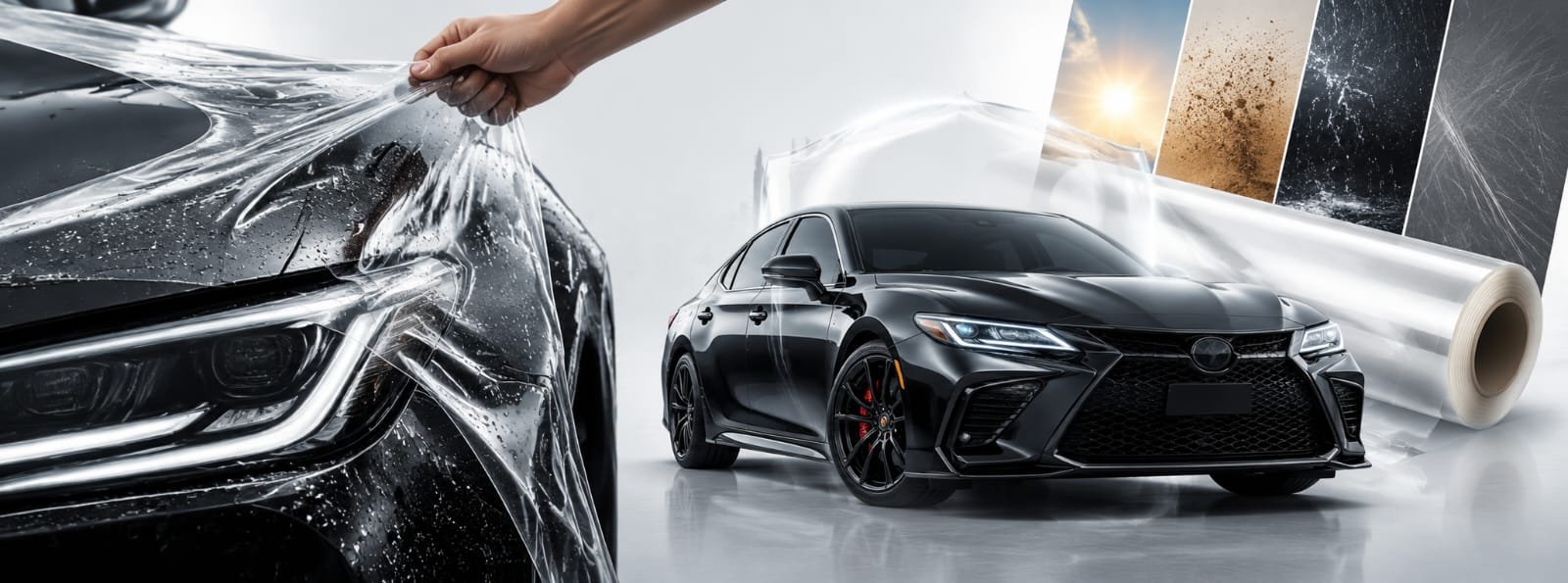
Top 10 Best PPF Brands in Pakistan 2026
Explore leading PPF brands and compare their reputation, technology, product options and protection features.
Read More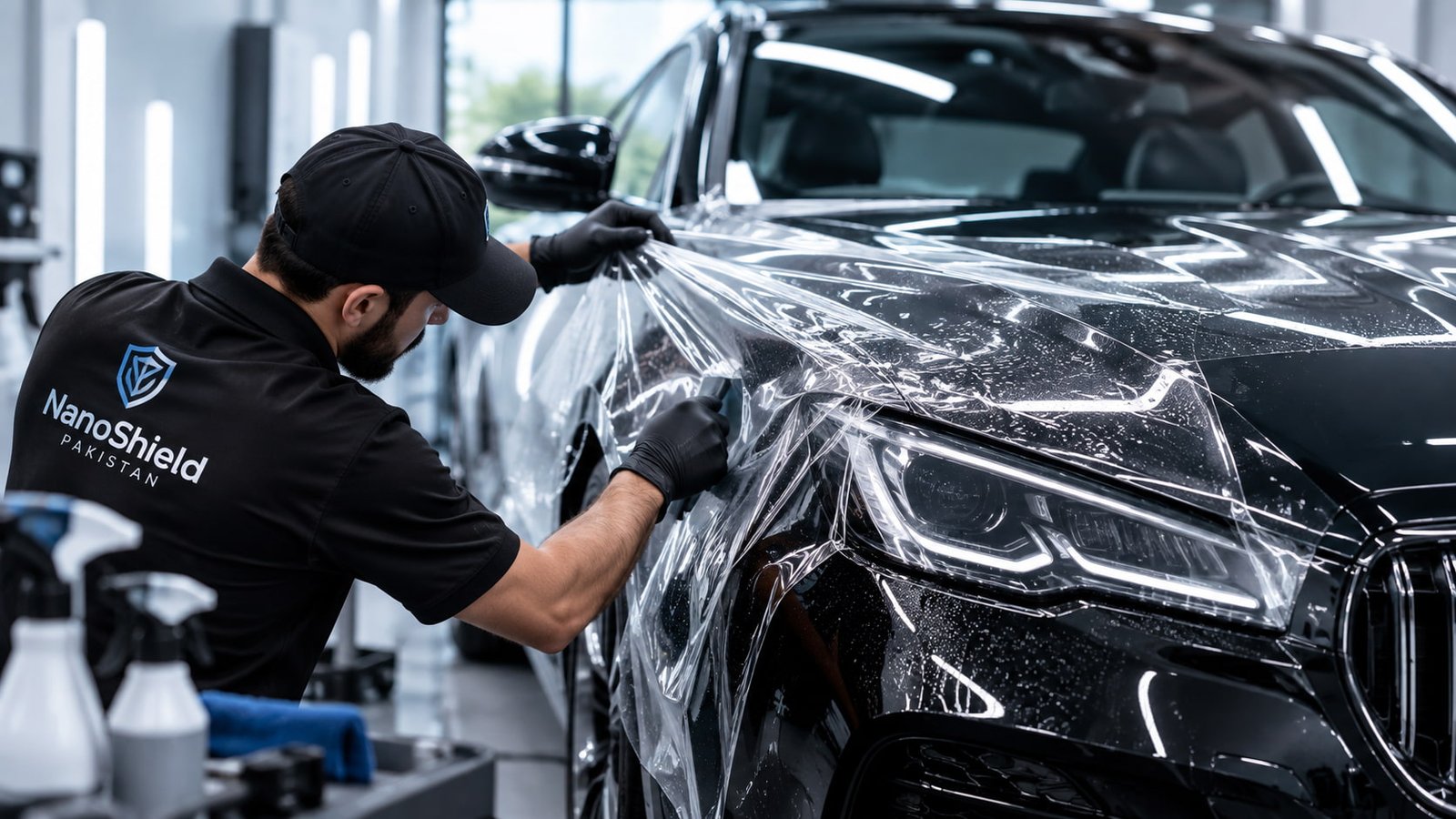
PPF Installation Process: Step-by-Step Guide
Discover how professional PPF installation works, from vehicle preparation and film application to edge finishing.
Read More
Best PPF Installation in Lahore
Learn about PPF installation in Lahore, pricing, benefits, installation quality and how to choose a professional installer.
Read More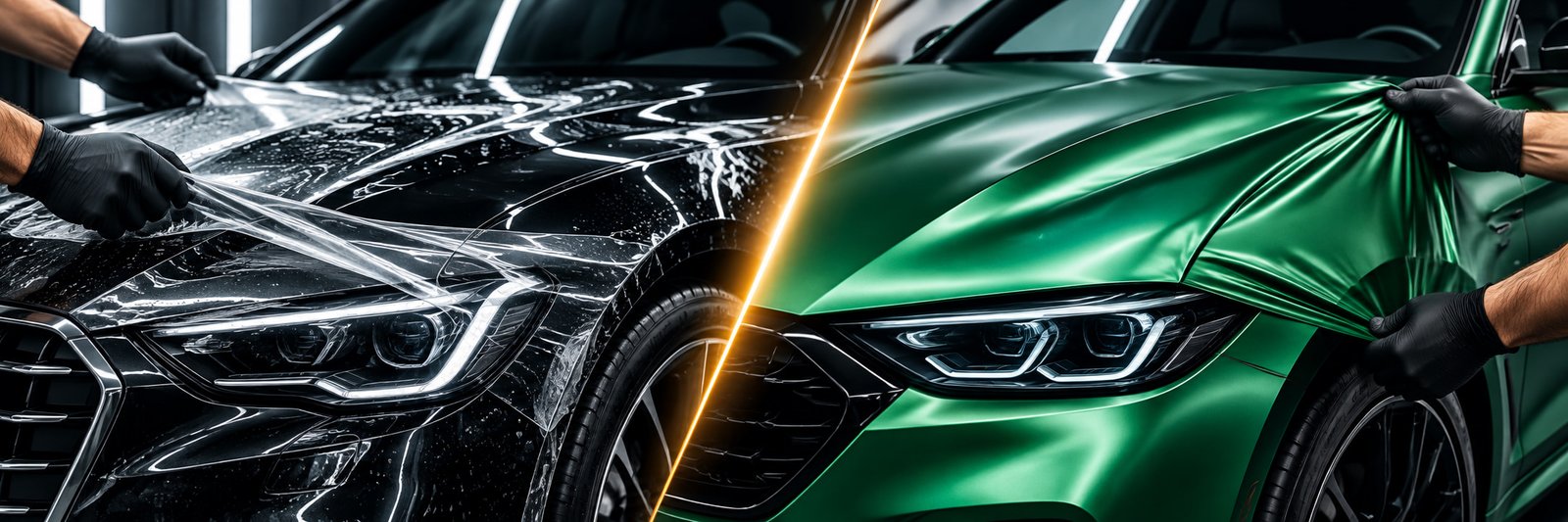
PPF vs Vinyl Wrap: Which Is Better for Your Car?
Compare PPF and vinyl wrap to understand their differences, protection, appearance, durability, maintenance and cost.
Read More