PPF for New Cars – Should You Install Paint Protection Film on a New Car?
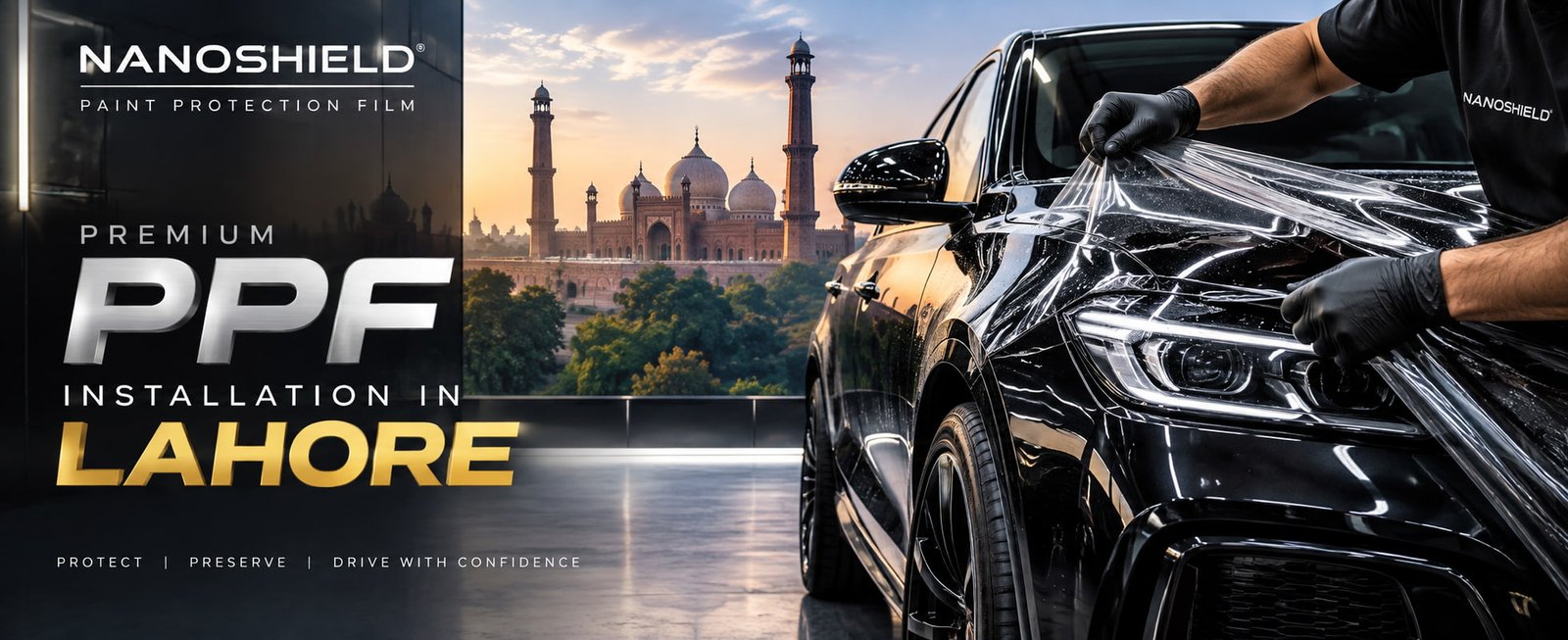
Buying a new car is exciting, but keeping its original paint looking fresh can be challenging. Paint Protection Film can help protect a new vehicle from stone chips, scratches, road debris and everyday paint damage.
Why Consider PPF for a New Car?
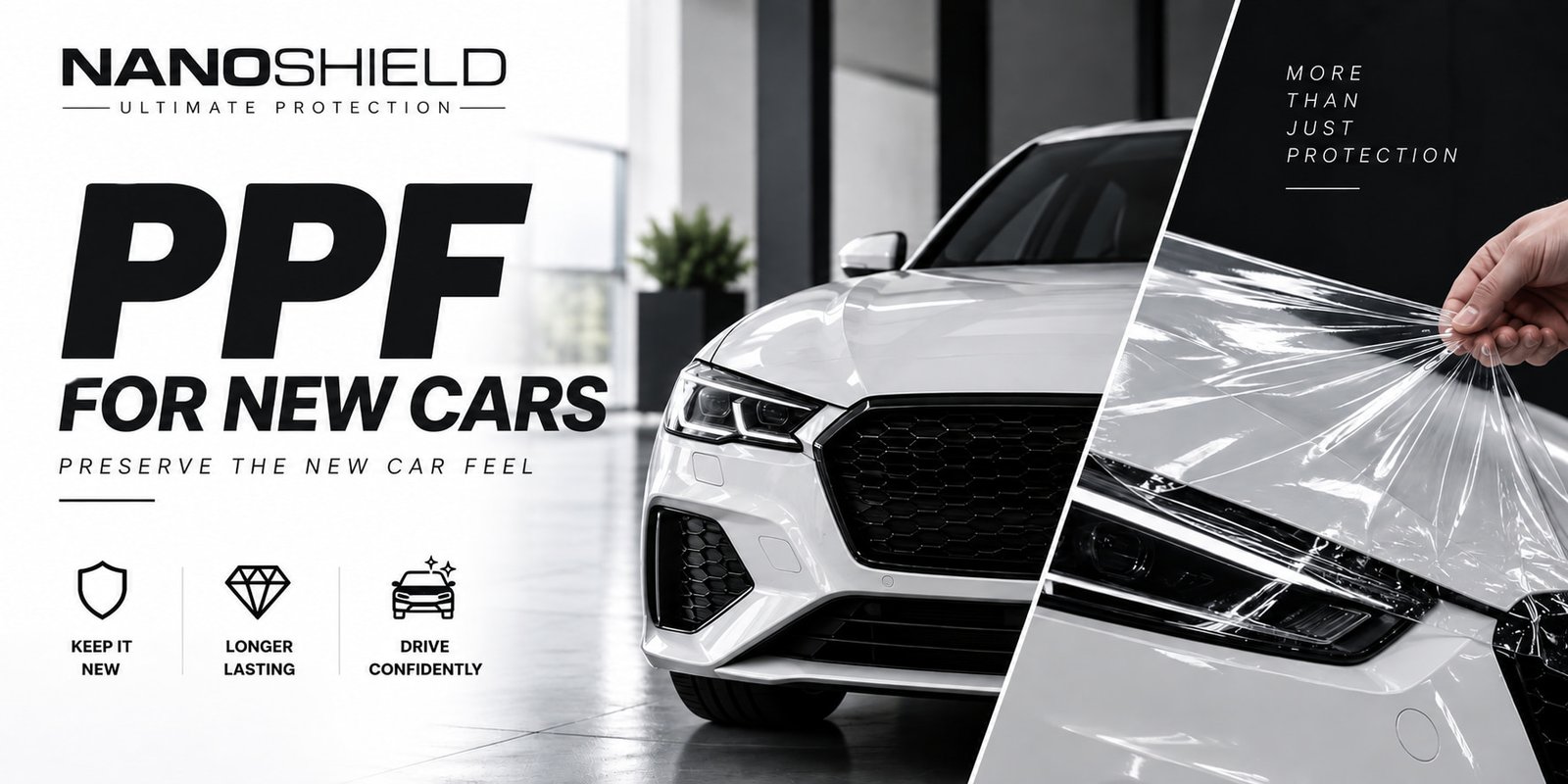
A new car has its original factory paint in the best possible condition, which makes early protection an important consideration. Everyday driving can expose the paint to road debris, stone chips, minor scratches, dirt and other environmental factors.
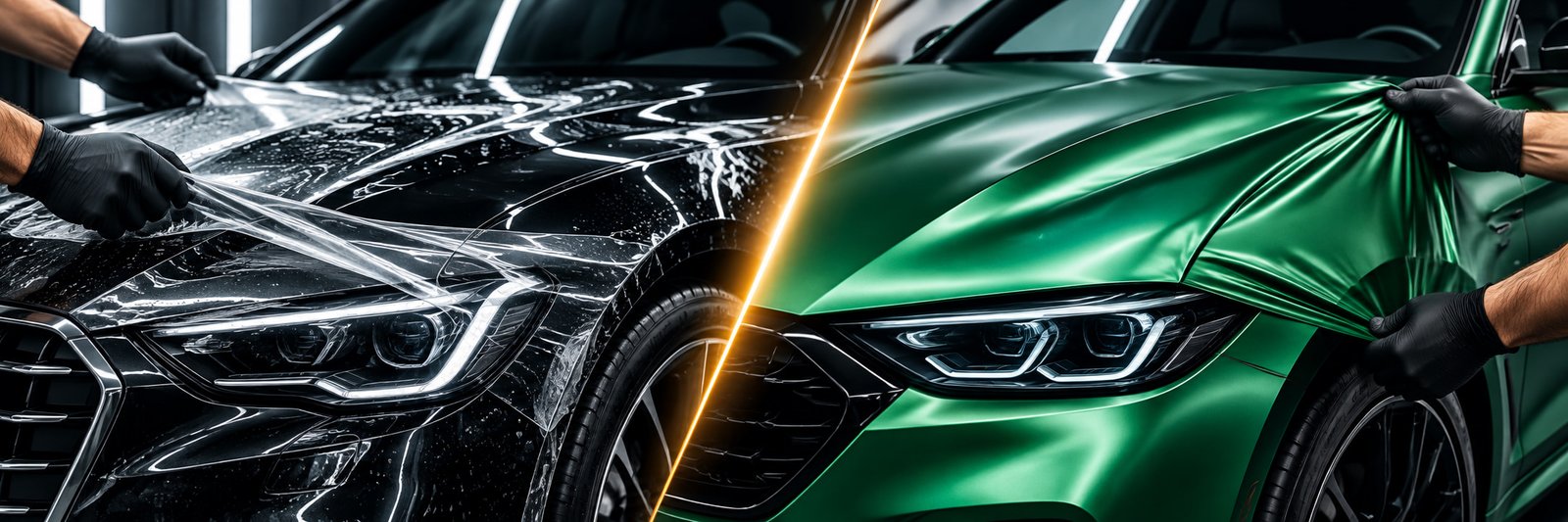
Installing PPF on a new car can help preserve the original paint and maintain the vehicle's clean appearance for longer. It provides a transparent protective layer over the painted surfaces without changing the original color of the vehicle.
When Should You Install PPF on a New Car?
The ideal time to install PPF on a new car is before the paint is exposed to extensive road use. A new vehicle usually has fresh factory paint, so protecting it early can help reduce the risk of permanent paint damage.
Many car owners choose to install Paint Protection Film shortly after purchasing their vehicle. This allows the protective film to cover the paint before stone chips, scratches and road contamination become common.
What Does PPF Protect on a New Car?
PPF creates a transparent protective layer over the vehicle's painted surfaces. It can help reduce the impact of common road hazards and everyday exposure that may affect the original paint.
Depending on the coverage selected, PPF can be installed on areas such as the front bumper, hood, front fenders, side mirrors, doors and other painted panels that are exposed to road debris.
Why Protect Factory Paint?
Factory paint gives a new car its original color, finish and appearance. Once the paint is damaged by stone chips or scratches, restoring the original finish may require touch-up work, polishing or repainting.
Installing PPF early can help preserve the original paint and maintain the clean appearance of a new vehicle for a longer period.
Which Areas of a New Car Should Get PPF?
Not every part of a vehicle receives the same amount of road exposure. When installing PPF on a new car, many owners prioritize the panels that are most likely to come into contact with stones, road debris and everyday contaminants.
The front bumper, hood, front fenders and side mirrors are commonly considered important areas because they face direct exposure while driving.
Front Bumper Protection
The front bumper is one of the first areas to encounter road debris. Installing PPF on the bumper can help protect the original paint from stone chips, minor scratches and everyday road exposure.
Hood and Front Fenders
The hood and front fenders can also receive frequent impact from small stones and debris. Protecting these panels can help maintain the appearance of the factory paint on a new vehicle.
Side Mirror Protection
Side mirrors are exposed to road debris and can also be vulnerable to minor scratches during everyday use. PPF can provide an additional protective layer while keeping the original appearance of the mirrors.
How Much Does PPF Cost for a New Car?
The cost of PPF for a new car depends on several factors, including the size of the vehicle, the amount of coverage, the quality of the film and the installation process.
A partial PPF installation generally costs less because fewer panels are covered. Full car PPF requires more material, preparation and installation time, so the overall cost is usually higher.
What Affects the Price of New Car PPF?
The type and quality of PPF can have a significant effect on the total price. Different films can vary in thickness, surface finish, durability, adhesive technology and warranty coverage.
Vehicle size and body design can also affect installation costs. Larger vehicles or cars with complex curves, edges and body lines may require additional installation time and careful fitting.
Is PPF Worth It on a New Car?
For many new-car owners, PPF can be a valuable investment because it focuses on protecting the original factory paint before significant damage occurs.
The value of PPF depends on your driving habits, road conditions, vehicle value and how important maintaining the original paint is to you. Choosing the right coverage and a professional installation can help make the investment more worthwhile.
Benefits of Installing PPF on a New Car
Installing PPF on a new car can provide an additional layer of protection over the original factory paint. It is designed to help reduce the effects of common road hazards and everyday use.
Helps Protect Against Stone Chips
Small stones and road debris can create chips and marks on exposed painted surfaces. PPF can help absorb and reduce the impact of these everyday road hazards.
Helps Reduce Minor Scratches
A protective film can help reduce the risk of minor surface scratches caused by everyday contact, cleaning and road conditions, helping the paint maintain a cleaner appearance.
Preserves the Original Paint
One of the main reasons to install PPF on a new car is to help preserve the original factory paint. Keeping the original finish protected can help maintain the vehicle's appearance over time.
Maintains the New Car Appearance
When properly installed and maintained, clear PPF can help keep the protected areas looking clean and glossy while allowing the original color and finish of the vehicle to remain visible.
Full Car PPF vs Partial PPF for a New Car
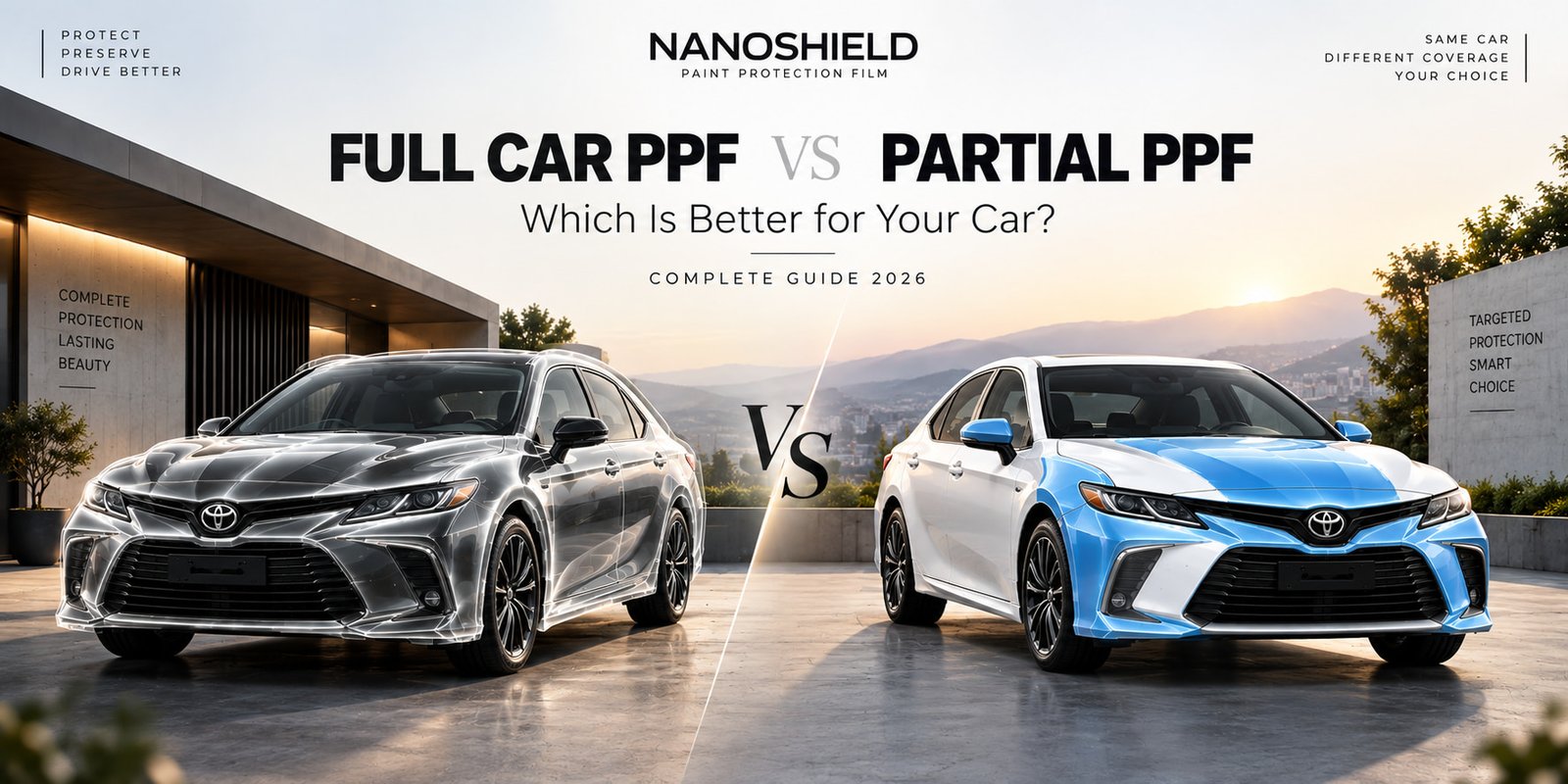
New car owners can choose between full car PPF and partial PPF depending on their desired level of protection, budget and driving conditions. Both options can help protect important painted areas from everyday road exposure.
When Full Car PPF Makes Sense
Full car PPF can be a suitable choice for owners who want broader protection across the vehicle. It can be especially appealing for a new car when preserving the original factory paint is a high priority.
Full coverage protects more painted panels, reducing the number of exposed areas that can be affected by stone chips, scratches and everyday road debris.
When Partial PPF Makes Sense
Partial PPF can be a practical option when you want to focus protection on the areas that receive the most road exposure. It can provide targeted protection while requiring less film and a lower overall installation cost than full coverage.
Common partial coverage can include the front bumper, hood, front fenders and side mirrors, depending on the vehicle and the owner's protection priorities.
Which Option Is Better for a New Car?
If your main goal is maximum coverage and long-term protection of the original paint, full car PPF is the more comprehensive option. If you want targeted protection while keeping the investment lower, partial PPF can be a practical alternative.
PPF Installation Process for a New Car
Professional PPF installation starts with preparing the vehicle's paint surface. Even on a new car, the exterior should be carefully cleaned and inspected before the film is applied.
The installer can wash and decontaminate the vehicle, inspect the paint and prepare each selected panel before positioning the protective film.
Vehicle Cleaning and Preparation
Proper cleaning helps remove dust, dirt, road contamination and other particles from the paint surface. A clean surface allows the film to be positioned more accurately and helps achieve a smoother finish.
Film Application
Once the surface is prepared, the PPF is carefully positioned over the selected panels. The installer works around the vehicle's curves and body lines to achieve accurate coverage.
Edge Finishing and Inspection
After the film is applied, the edges and corners are carefully finished to create a clean appearance. The vehicle is then inspected to check the installation and overall finish.
Professional installation is important because proper preparation, accurate positioning and careful finishing can make a significant difference to the final appearance of PPF on a new car.
How to Maintain PPF on a New Car
Proper maintenance can help keep PPF looking clean and performing well over time. After installation, the film should be treated with suitable automotive cleaning products and gentle washing methods.
Wash Your Car Gently
Regular washing helps remove dirt, dust and road contamination from the film. Use a soft wash mitt and suitable car-cleaning products instead of abrasive materials that could affect the film's surface.
Avoid Harsh Chemicals
Strong chemicals and unsuitable cleaning products may affect the appearance of the film. Using products designed for automotive surfaces can help maintain the finish of PPF.
Protect the Film After Installation
Newly installed PPF may require some time to settle properly. Follow the installer's aftercare instructions and avoid aggressive washing or unnecessary contact with the film during the initial period.
Regular Inspection
Periodically checking the film can help you notice any lifting edges, contamination or other issues early. Professional inspection can be useful if you notice changes in the film's appearance or installation.
Long-Term Benefits of PPF for a New Car
Installing PPF when a car is new can help protect the original paint throughout everyday ownership. By reducing exposure to common road hazards, the film can help the vehicle maintain a cleaner and better-preserved appearance.
Helps Preserve Original Paint
Protecting the factory paint from stone chips, minor scratches and everyday road exposure can help reduce visible paint damage over time.
Maintains the Vehicle's Appearance
A well-maintained PPF installation can help keep protected painted surfaces looking clean and consistent. This can be particularly valuable for owners who want to maintain the original appearance of their new car.
Potential Resale Value Benefit
A vehicle with well-maintained original paint can be more appealing to potential buyers. While PPF does not guarantee a higher resale price, protecting the original finish may help keep the vehicle looking well cared for.
Protection From Day One
Installing PPF early means protection begins before significant paint damage occurs. For owners planning to keep their new car for several years, early paint protection can be a practical part of long-term vehicle care.
Things to Consider Before Installing PPF on a New Car
PPF can provide valuable protection for a new vehicle, but it is important to understand that it is not a replacement for regular vehicle care. The film works best when it is properly installed, maintained and used according to the manufacturer's recommendations.
Installation Quality Matters
The final appearance and performance of PPF can depend heavily on installation quality. Poor preparation, inaccurate positioning or unfinished edges can affect the overall result.
Choose the Right Coverage
Before installation, decide which areas need protection based on your driving habits and budget. Full coverage provides broader protection, while partial coverage focuses on selected high-exposure areas.
Choose a Suitable PPF Film
PPF products can differ in thickness, finish, adhesive technology, durability and warranty. Comparing the specifications and warranty of the film can help you make a more informed decision.
PPF Does Not Make Paint Damage Impossible
PPF is designed to help protect the underlying paint, but it cannot prevent every type of damage. Severe impacts, accidents and deep damage can still affect the film and the surface underneath.
Professional PPF Installation vs DIY
When installing PPF on a new car, the quality of application is just as important as choosing the right film. Vehicle panels have curves, edges and different body shapes that require careful handling during installation.
Why Choose Professional Installation?
A professional installer can properly prepare the vehicle, position the film accurately and finish the edges carefully. This can help create a cleaner appearance and reduce common installation problems.
Professional installation is particularly important for full car PPF because a larger number of panels need to be covered and finished correctly.
What About DIY PPF Installation?
DIY PPF installation may appear more affordable, but applying large sections of film requires patience, suitable tools and installation experience. Dust, incorrect positioning, wrinkles and poor edge finishing can affect the final result.
For a valuable new vehicle, professional installation can be a more practical choice when the goal is to achieve a clean and long-lasting finish.
Is PPF Worth It for a New Car?
For many new car owners, PPF can be a practical way to help protect the original factory paint from everyday road exposure. Installing the film early can help reduce the risk of stone chips, minor scratches and other common paint damage.
The right PPF solution depends on your vehicle, driving habits, budget and desired level of coverage. Full car PPF provides broader protection, while partial PPF can focus on the areas most exposed to road debris.
Final Verdict
If maintaining the original appearance of your new car is important to you, installing PPF early can be a worthwhile consideration. Choosing a suitable film, professional installation and proper maintenance can help you get the most from your investment.
Ultimately, the best approach is to protect the areas that matter most to you while choosing a PPF solution that matches your vehicle and long-term ownership plans.